
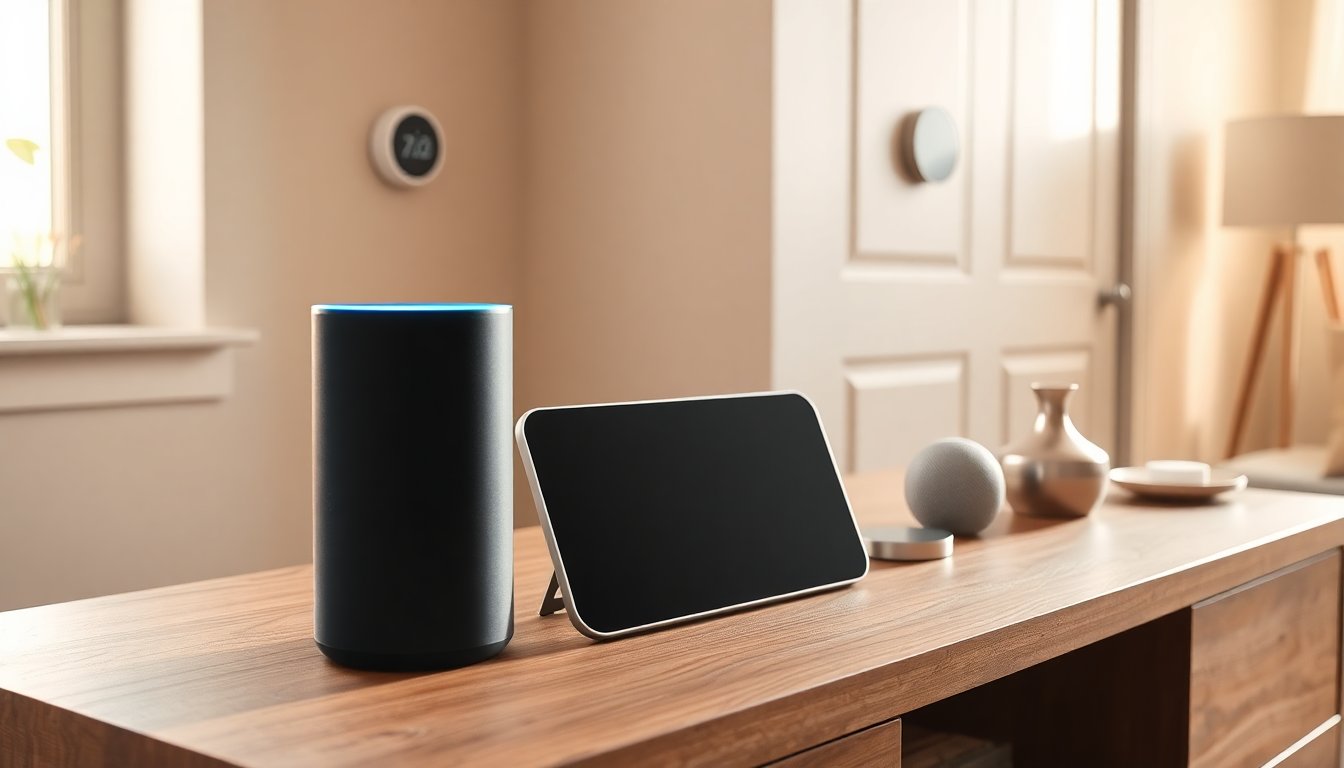
The voice assistant ecosystem built around Amazon Alexa remains one of the most flexible options for smart homes. Whether you stick with the classic Alexa experience or opt for the generative AI features of Alexa Plus, you can connect everything from speakers and displays to locks, thermostats and cameras. Many third-party gadgets now carry native Alexa compatibility or the Matter label, which simplifies setup and cross-platform use.
Below I break down standout devices, explain where they shine, and flag trade-offs like cost and privacy. The examples include Amazon’s own Echo lineup as well as accessories from Ecobee, Ring, Blink, Yale, TP-Link, Wiz and Ikea so you can see how an Alexa-centric ecosystem can be assembled room by room.
Standout Alexa-first hardware
For a premium audio and smart-hub starting point, the revived Echo Studio returned in 2026 with a smaller footprint but the same emphasis on sound. It supports Dolby Atmos and combines a dedicated woofer and multiple full-range drivers for room-filling audio. The unit doubles as a handy hub for sensors and pairs easily with a TV or other speakers, and it integrates with services like Apple Music, Pandora and Spotify. If the Studio feels expensive, Amazon’s smaller Echo Dot Max offers many of the same conveniences with less acoustic reach at a lower price.
Echo Show 11 and Echo Spot
The Echo Show 11 is a larger touchscreen display that works well in kitchens or living spaces where a second screen is useful. Its brighter display helps with streaming video, recipes and video calls, and the built-in camera includes a manual shutter for privacy. For bedside use, the Echo Spot is explicitly designed as a compact alarm clock with a customizable information screen and a physical mic button, making it an attractive wake-up gadget if you want a small display that still handles music, timers and smart-home commands.
Smart home essentials that pair with Alexa
Thermostats, locks, plugs and cameras give Alexa real control over comfort and security. The Ecobee Premium is a full-featured thermostat that ships with a satellite sensor, built-in speaker for either Alexa or Siri voice control, air-quality sensors and optional live camera integration. The satellite sensor enables the thermostat to balance temperature using readings from the room you care about most. On the budget side, Amazon’s $80 Smart Thermostat delivers easy Alexa setup, an intuitive touchscreen and basic energy-saving tips, though it lacks Google Assistant and HomeKit support and may require a C-wire or adapter during installation.
For security and everyday automation, the Ring Alarm starter kit provides a solid, expandable foundation (base station, keypad, contact sensor, motion detector and range extender). Note that some Alexa integrations like voice disarming require a Ring subscription. Blink’s outdoor cameras offer long battery life and a new 2K option, while Yale’s smart lock brings robust mechanical durability (BHMA Grade 2) and remote features without a fingerprint reader. Small accessories like the TP-Link Tapo smart plug and Wiz color bulb are inexpensive ways to add voice-controlled lighting and scheduling, and Ikea’s access sensor is an ultra-affordable entry into window and door monitoring when paired with a Matter-enabled hub or Echo device.
Privacy, Alexa Plus and practical setup advice
Alexa Plus is Amazon’s generative AI tier that expands conversational fluency and links to services such as food delivery and ride-hailing. It introduces different voice personalities and more open-ended interactions, and is available free with Amazon Prime or as a $20-per-month option without Prime. With Alexa Plus, some internal handling of voice data changed: Amazon no longer offers the prior opt-out for automatic analysis of recordings, though you can still configure automatic deletion windows and review privacy settings. Physical mic and camera shutters remain standard on Echo hardware for those who want manual control.
Installation flow and how we test
Installing Alexa-compatible devices typically mixes voice setup with companion apps; many products lean on the Alexa app for discovery and automation. When choosing hardware, prioritize ecosystem compatibility (does the device list Alexa or Matter?), physical placement for reliable voice pickup and your budget. In our hands-on testing we evaluate setup simplicity, design quality, feature set, real-world performance and value. We also test audio devices for fidelity, cameras for image clarity and battery life, and thermostats for reliability and energy-saving features to recommend devices that work in everyday homes.
Putting these pieces together lets you build a flexible, voice-controlled home: pick a capable speaker or display as your hub, add security and climate devices to cover the essentials, and use privacy settings to match your comfort level. Whether you stick to Alexa’s baseline experience or explore Alexa Plus, there’s a wide range of options that plug into Amazon’s smart-home ecosystem.


