
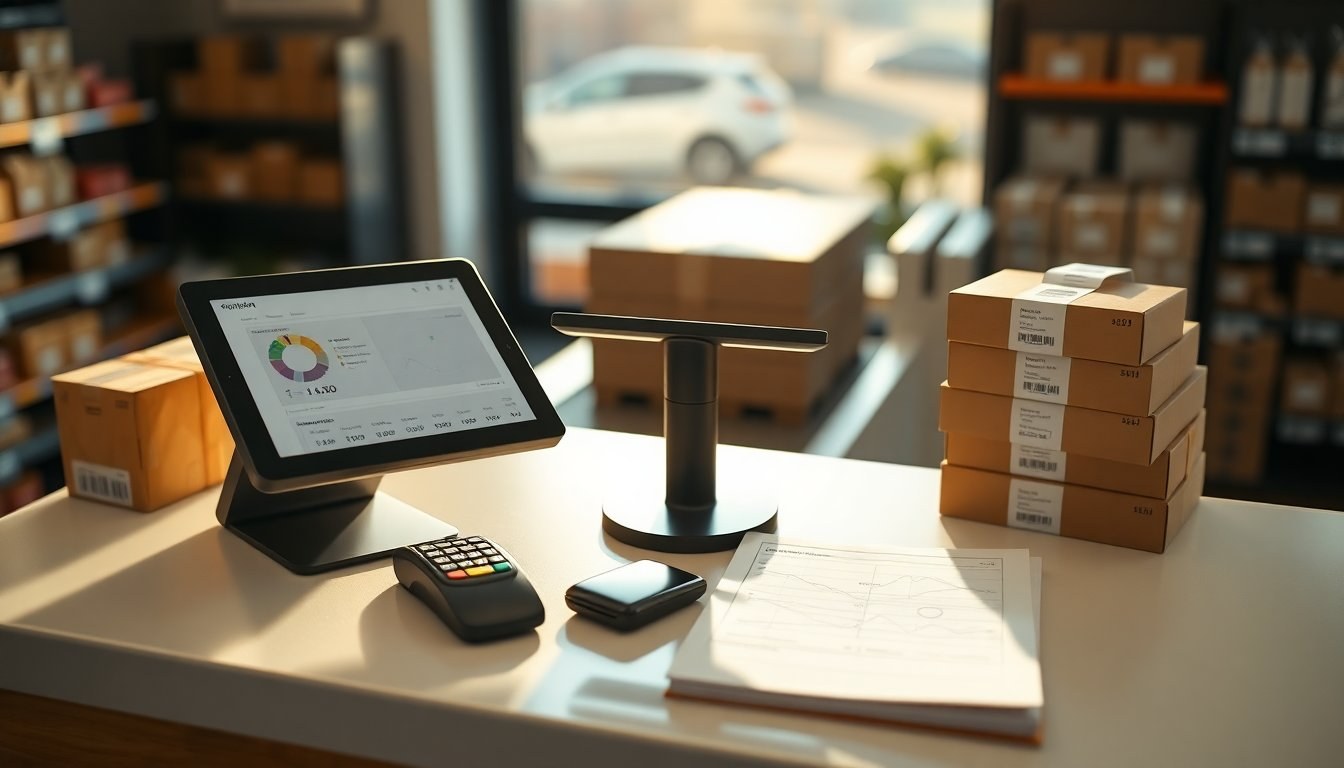
The commerce platform Lightspeed has strengthened its engineering bench by bringing in Bhawna Singh as its new Chief Technology Officer. This leadership change arrives alongside a set of product updates aimed at helping merchants reduce manual work and increase revenue through smarter automation. The company, which serves retailers, golf and hospitality businesses in more than 100 countries, emphasizes a tighter integration between point of sale, payments, inventory and omnichannel operations. The move signals a clear push to accelerate the firm’s AI strategy and to scale new capabilities across its unified platform.
Singh arrives with over 25 years of engineering and platform experience, having previously led technology organizations at prominent SaaS companies. Her background includes roles where she guided platform modernization, security-first architecture and broad adoption of intelligent automation. Lightspeed says Singh will help translate the company’s AI ambitions into reliable products that merchants can use day-to-day. As a reminder, Lightspeed was founded in Montréal in 2005 and is dual-listed on the New York Stock Exchange and Toronto Stock Exchange under the ticker LSPD.
Leadership and technical direction
Bringing Singh on board aims to deepen technical leadership and hasten execution on Lightspeed’s roadmap. Her experience includes managing global engineering teams and shaping product strategies that align technology spend with business outcomes. At Lightspeed, Singh will partner closely with the product organization to deliver features built around Lightspeed AI, which already embeds conversational assistants into retail and restaurant workflows. The emphasis is not only on adding intelligence, but on making systems scalable and secure across many locations and use cases, from single storefronts to multi-site operators.
Company leadership framed this hire as essential to moving faster while maintaining engineering discipline. Singh has also served on boards and advised groups on topics like AI governance and cybersecurity, areas that are increasingly important as merchants adopt automated decision-support tools. Her appointment complements existing senior roles, with the aim of unifying product priorities, technical architecture and partner integrations to create a more cohesive merchant experience.
Retail platform enhancements
The latest release for Lightspeed Retail blends automation, integrations and sales-assist features. One notable addition is a direct Faire integration that lets retailers pull product listings, images, variants and cost data straight into the Lightspeed catalog. That reduces manual entry and accelerates time-to-shelf. Another capability is an AI-powered OCR tool that automates product data entry from invoices or labels; this optical character recognition integration helps cut onboarding time and reduce stock mismatches. Together, these changes are designed to streamline inventory workflows and broaden product discovery.
Smarter selling and discovery
Lightspeed also introduced AI-driven recommendations inside its Marketplace, surfacing brands based on a buyer’s order history and existing relationships to promote discovery and revenue growth. On the sales-floor side, the updated Lightspeed Scanner gives associates real-time access to promotions, alternative product suggestions and sales history at the point of interaction. A new Mobile Promotions Helper prompts staff to surface offers at checkout, nudging higher basket values without interrupting service.
Hospitality and ordering improvements
For restaurants and bars, the company shipped tools to convert analog processes into digital workflows. An AI Menu Import feature extracts items, combos, modifiers and tags from a photo, document or hand-drawn notes, automating menu digitization and reducing manual setup work. The Order Anywhere engine now supports time-limited promotions such as buy-one-get-one-free, enabling operators to run targeted offers without complex workarounds. Navigation across iPad and iPhone POS interfaces was simplified to reduce training time, and the expansion of Mobile Tap in Quebec allows staff to both take orders and accept payments in a single flow, increasing table turns during peak service.
Taken together, the leadership appointment and product updates underscore Lightspeed’s focus on building a unified, AI-enabled commerce stack that helps merchants operate more efficiently and create better customer experiences. The company continues to pair platform-level investments with ecosystem integrations and merchant-facing automation, aiming to turn technical innovation into measurable operational gains for retail and hospitality businesses worldwide.


