Early on Saturday, elon musk replied to a meme about YouTuber Marques Brownlee, better known as MKBHD, with the terse jab “a chicken”. The barb arrived just hours after Tesla began accepting invite-only reservations for its much-talked-about Cybercab, priced at $29,990. Brownlee has been publicly betting that he will shave his head on camera if Tesla delivers a fully autonomous, steering-wheel-less vehicle for under $30,000 before the close of 2026.
The rivalry traces back to Tesla’s “We, Robot” event in October 2024, where Musk hinted at a sub-$30k robotaxi. Brownlee responded with a confident proclamation that such a price point would not be achieved before 2027, attaching a head-shaving gamble to the claim. Since then Musk has peppered the conversation with jokes like “Gonna happen 😂” and “I guess he really wants to shave his head 🤷♂️”, while Brownlee has defended his scalp, posting “My hair is safe” alongside a list of technical objections.
What the Cybercab offer actually includes
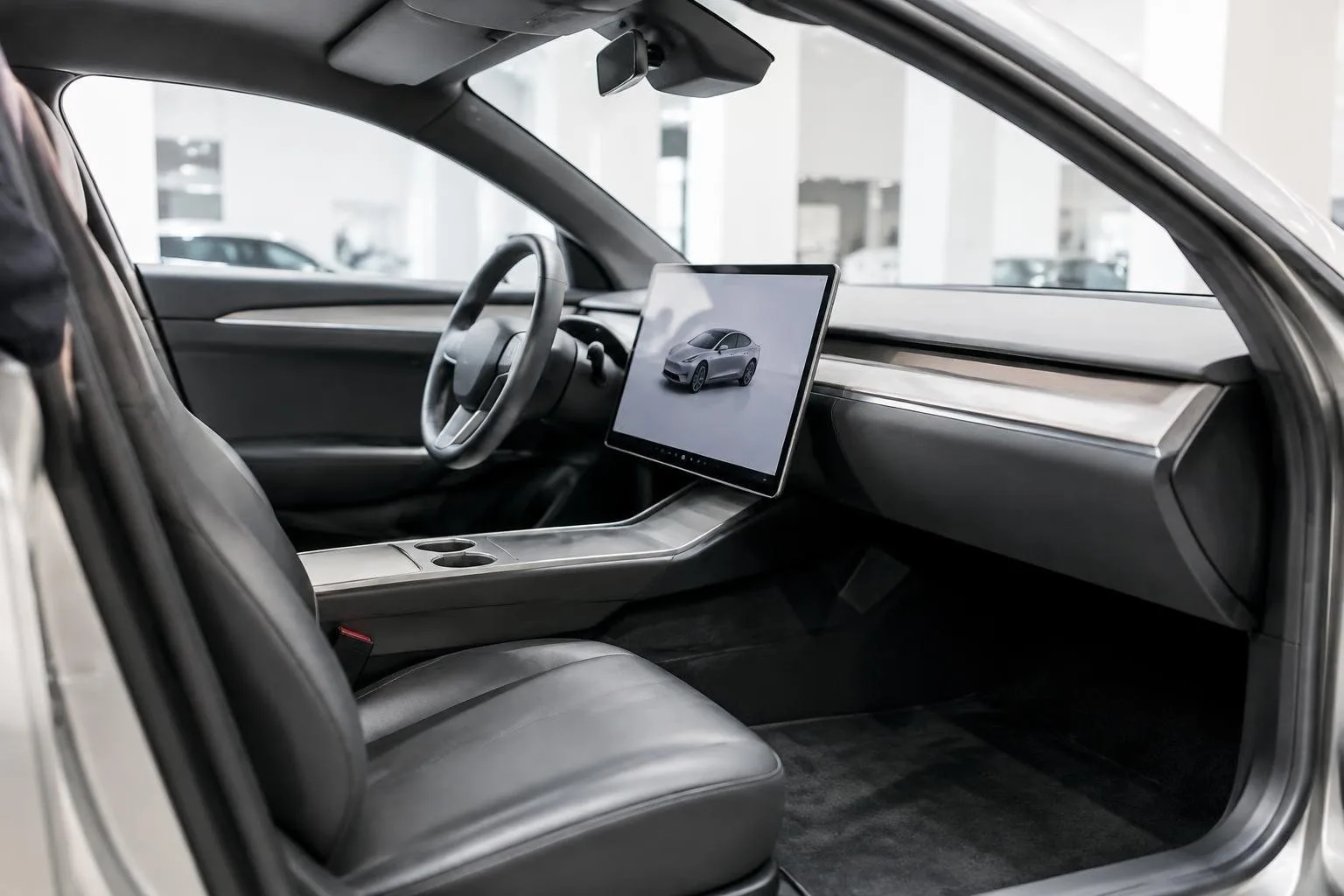
The order page released on Friday lists a base price of $29,990, a non-refundable deposit of $1,000, and a mandatory $299 per month Autonomy Subscription. Delivery is projected for December 2026, but only within Tesla’s robotaxi-operated cities in Texas. The vehicle is a two-seater with no steering wheel, designed to run inside the company’s geofenced robotaxi network. According to the Autonomy Subscription Agreement, the car will not operate without the monthly plan, owners are prohibited from adding the vehicle to the public Robotaxi service, and Tesla retains the right to shrink or reshape the operational area at any time.
In practice, the arrangement resembles a high-cost lease: over five years the subscription alone totals $47,631, not counting insurance, registration, or charging costs. If a customer cancels the subscription, the Cybercab effectively becomes a paperweight, as the vehicle’s software will disable itself. The invitation is limited to a select group of buyers in Texas, far from the “publicly available” claim that formed the basis of Brownlee’s wager.
Community reaction and the bet’s status
Brownlee’s latest X post emphasized that no deliveries have occurred yet and that the program is still invite-only, meaning the vehicle is not truly available to the broader market. He dismissed the idea that the car could be used as a conventional taxi, calling it “a paperweight if I take this thing home”. Nonetheless, he noted that the December delivery window satisfies one of the bet’s timing conditions.
Supporters of Musk reposted a Grok response claiming the current offer meets the bet’s terms, while others highlighted Musk’s own admission that the $299 monthly fee is “too high” and should align with the $115-per-month cost of Tesla’s Full Self-Driving (FSD) package for other models. The inconsistency fuels speculation that Tesla’s primary goal may be to demonstrate a symbolic win rather than deliver a commercially viable product at the promised price point.
Implications for Tesla’s robotaxi strategy
Tesla has positioned the Cybercab as the backbone of its future Robotaxi network, yet the rollout described above limits the car to the very zones where it is supposed to generate revenue. By offering a private-use version that cannot be dispatched as a taxi, the company appears to be testing production capabilities while also leveraging the publicity generated by the Musk-Brownlee wager.
If the vehicle reaches customers before the end of 2026, Musk could point to a technical victory, even if the product’s utility remains constrained by subscription fees and geofencing. Conversely, should Tesla fail to ship beyond the invited cohort, Brownlee’s head-shaving promise remains unfulfilled, and the Cybercab’s market perception could suffer. The next few weeks will reveal whether the offer is a genuine step toward scaling robotaxis or a publicity stunt designed to settle a social-media bet.