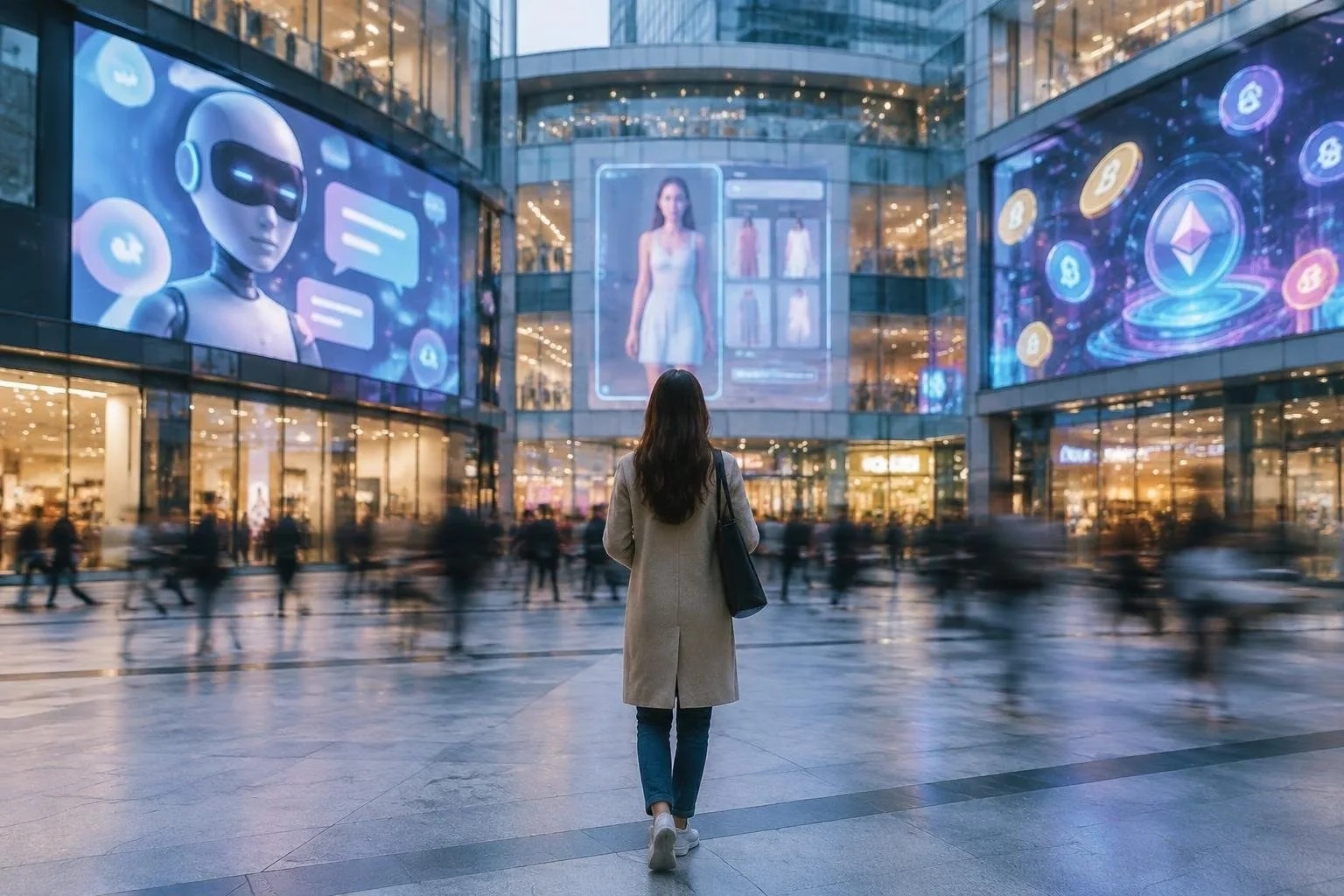
Every 11 November, the world’s biggest retail extravaganza – Singles Day – bursts onto the calendar. Originally a one-day celebration of solo living invented by Chinese university students, it has exploded into a month-long bonanza that now attracts shoppers from Beijing to Toronto. This year, the festival is being tested as a showcase for artificial intelligence in commerce, with chatbots, virtual try-ons, and even AI tokens becoming central to the buying experience.
AI reshapes China’s month-long Singles Day festival
Chinese platforms such as Alibaba’s Tmall and Taobao, and PDD Holdings have woven AI assistants into every step of the consumer journey. shoppers can ask a chatbot to locate a washing machine that fits a narrow balcony, respects a midnight-quiet policy and stays under a set budget – all without leaving the app. The AI shopping aide Dongdong on recorded nearly 80 million interactions during the latest Singles Day, more than three times the figure from the previous year.
Sales numbers and consumer behaviour
According to third-party data from Syntun, total sales during the 24-day window (7 Oct – 31 Oct) rose 2.4 % compared with the same period last year, outpacing the 1.1 % rise in overall Chinese retail sales through September. On Douyin, the short-video powerhouse, AI-driven chatbot links accounted for roughly 5 % of all purchases in October; for high-involvement items like health supplements the share topped 20 %. Analysts note that while AI is still an emerging discovery channel, its impact is already comparable to livestreaming and social commerce.
New product categories are benefitting as well. AI-enabled toys crossed the ¥100 million (≈ $15 million) threshold on Alibaba within a year, exemplified by Dr. Look’s learning camera that instantly identifies flora or insects. Companion robots saw a five-fold year-on-year increase in sales during the second half of October, and AI token subscriptions surged more than 700 % between mid-October and early November, with livestreamer Austin Li moving 100 000 monthly subscriptions to Alibaba’s QwenWork in just half an hour.
Global ripple: discounts beyond China
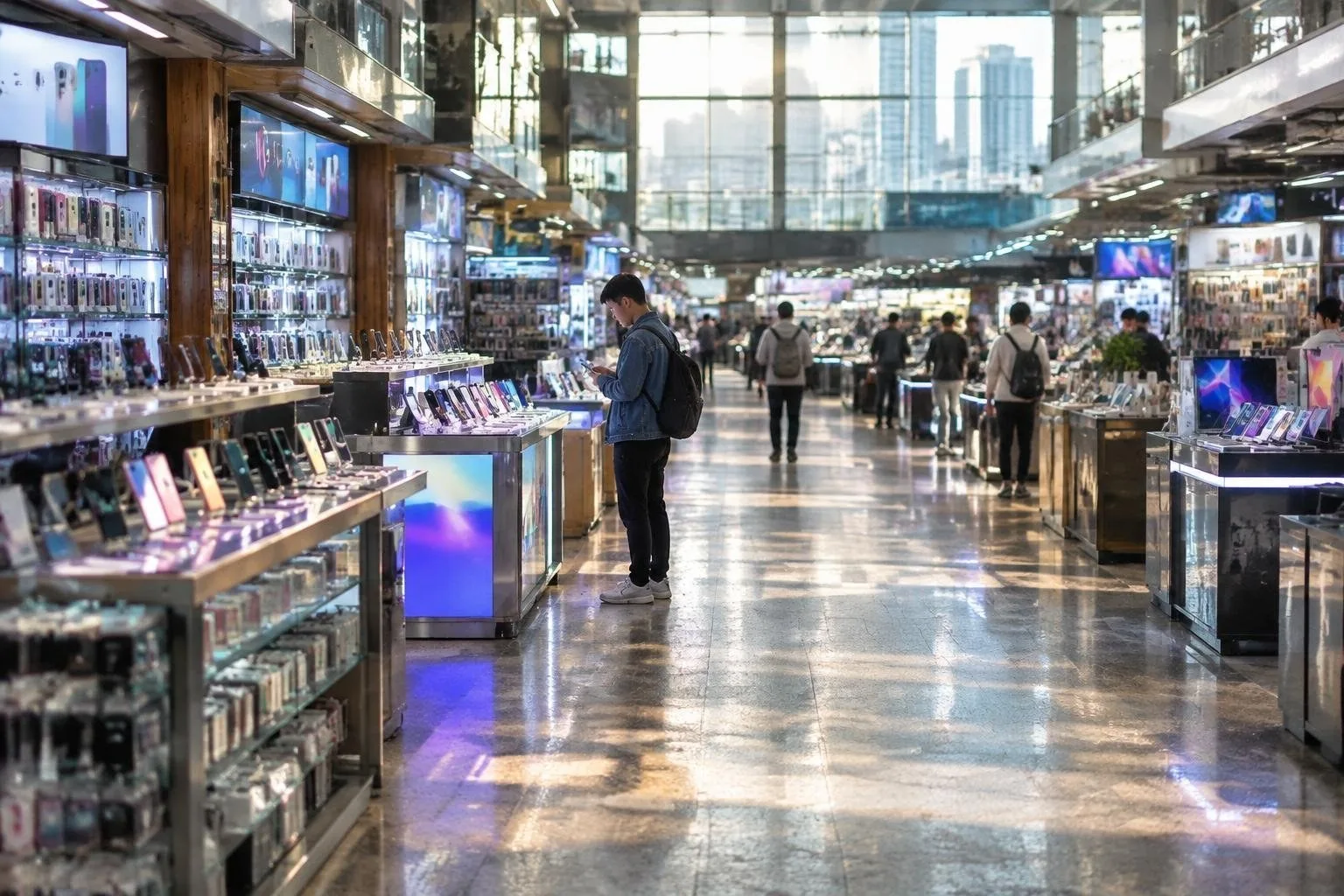
The AI-centric momentum is not confined to China. In Canada, Best Buy launched a Singles Day blowout ahead of Black Friday, cutting prices on a range of tech gear – from the Bobsweep UltraVision robot vacuum (now $279.99, a $970 markdown) to Beats Studio Pro headphones at $199.99. While the offers are short-lived (ending on 11 Nov), they illustrate how the Chinese holiday is influencing retail calendars worldwide.
Parcelhero, a parcel-price-comparison specialist, forecasts global Singles Day turnover of about US$260 billion in 2026 – a 10 % jump from 2025’s $238 billion. The United Kingdom alone is projected to spend roughly £2.2 billion, edging past the combined $38 billion generated by Black Friday and Cyber Week. The sheer scale makes Singles Day almost seven times larger than the entire US-centric holiday shopping season, and more than ten times Amazon’s record Prime Day revenue.
British retailers with Chinese ties – Alibaba’s Tmall, AliExpress, Temu, and domestic brands such as M&S, Dyson and Jaguar Land Rover – are already lining up deep-discount promotions. The event’s timing, roughly three weeks before Christmas, gives early-bird shoppers a head-start on holiday gifting while also testing the logistics of cross-border AI-driven commerce.
Looking ahead, experts predict that AI will continue to dictate product discovery and price optimisation. Brands that fine-tune their AI presentation stand to gain visibility, while those that are sidelined by algorithmic curation may see traffic evaporate. As chat-based assistants become the default shopping companion, the line between search and checkout blurs, reshaping the retail landscape for both consumers and merchants.