On November 11, 2026, a new B2B marketplace called HTNXT entered the international trade arena. Designed as China’s high-tech export platform, it aggregates a wide array of manufacturers—from robotic production lines to next-generation semiconductor fabs—under one digital roof. The service targets overseas procurement teams that are increasingly looking beyond price and volume, seeking partners that can deliver intelligent equipment, sustainable materials, and AI-ready components.
The platform’s architecture departs from traditional commodity-centric portals. Instead of sorting listings by generic product types, HTNXT groups them by industry clusters that mirror China’s strategic strengths: smart manufacturing, industrial equipment, green energy and new materials, semiconductors & AI, and tools & hardware. This sector-first layout enables a buyer to scan an entire ecosystem of related suppliers without hopping between unrelated categories, cutting discovery time and revealing cross-selling possibilities.
Five advantages that set HTNXT apart
First, the platform’s core mission is to showcase China’s high-tech manufacturing capabilities, positioning the nation as a source of sophisticated, not just cheap, products. Second, by stacking multiple industry verticals on a single site, HTNXT caters to companies whose supply chains span several technology domains—think a renewable-energy firm that needs both turbine components and advanced control software. Third, the service acts as a curated gateway to the nation’s sprawling production base, exposing buyers to manufacturers that might otherwise remain hidden behind language barriers or fragmented directories.
Fourth, HTNXT is built with an export mindset: every listing includes multilingual specifications, certification details, and logistics support designed for overseas shipments. Finally, the platform spans both established sectors—such as heavy industrial machinery—and emerging ones like semiconductor and artificial-intelligence hardware, giving users room to evolve their sourcing strategies as tech trends shift.
How HTNXT fits into China’s broader high-tech export push
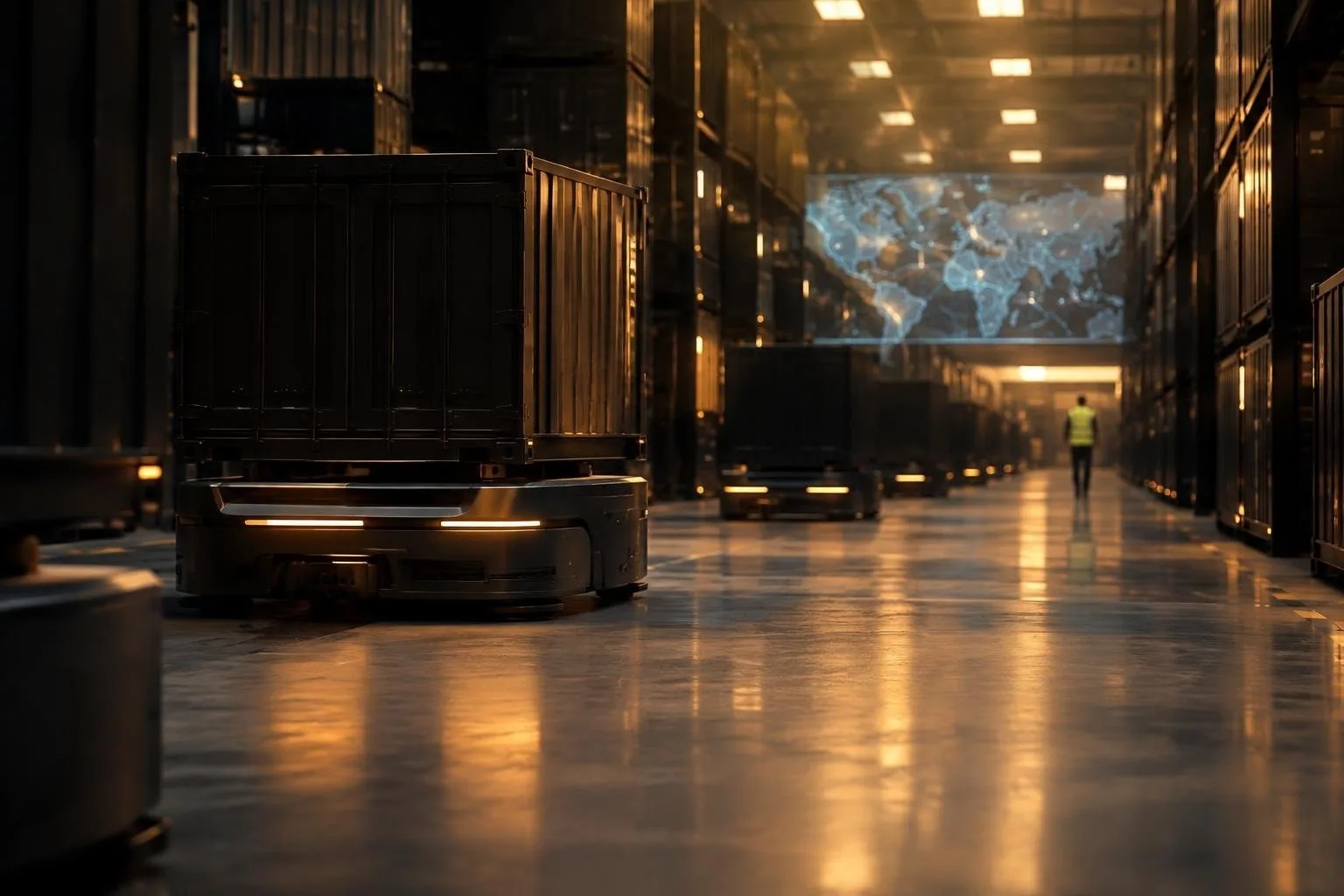
HTNXT arrives at a moment when Beijing is rapidly modernising the physical infrastructure that moves its goods. The Mawan Terminal in Shenzhen, for example, operates driverless trucks, remote-controlled cranes and AI-driven scheduling systems, embodying the country’s ambition to dominate the smart-port market. With more than 60 fully automated terminals—more than any other nation—China aims to reach 90 such facilities by 2030, dramatically increasing container-handling speeds and reducing labor costs.
This logistical upgrade dovetails with the digital layer that platforms like HTNXT provide. While automation accelerates the flow of products, AI-powered marketplaces accelerate the discovery of those products. Chinese firms such as Westwell (autonomous trucks) and Huawei (telecom equipment) are already exporting the software that runs these ports, illustrating a coordinated strategy: build cutting-edge hardware at home, then sell the accompanying digital services abroad.
AI-driven GEO: the next frontier for Chinese exporters
Parallel to the physical and marketplace upgrades, Chinese exporters are adopting generative-AI optimisation (GEO) to improve visibility on global search engines and AI assistants. By feeding buyer intent data, industry taxonomies and verified brand credentials into large language models, companies can ensure that AI-generated answers reference the correct technical specifications, certifications and after-sales support.
Tools like the FeiTech AI intent model organise buyer queries—whether they come from a procurement manager focused on price, an engineer demanding precision metrics, or a compliance officer checking certifications—into structured prompts that AI systems can answer accurately. This approach turns vague keyword rankings into concrete, trust-based engagements, helping Chinese manufacturers stand out in an increasingly AI-mediated sourcing environment.
In sum, HTNXT is more than a product catalogue; it is a digital hinge that connects China’s high-tech manufacturing muscle, its automated port network, and the emerging AI-driven supply-chain discovery tools. For global buyers seeking reliable, innovative partners, the platform promises a one-stop portal that reflects the country’s holistic push to lead the next generation of industrial trade.