
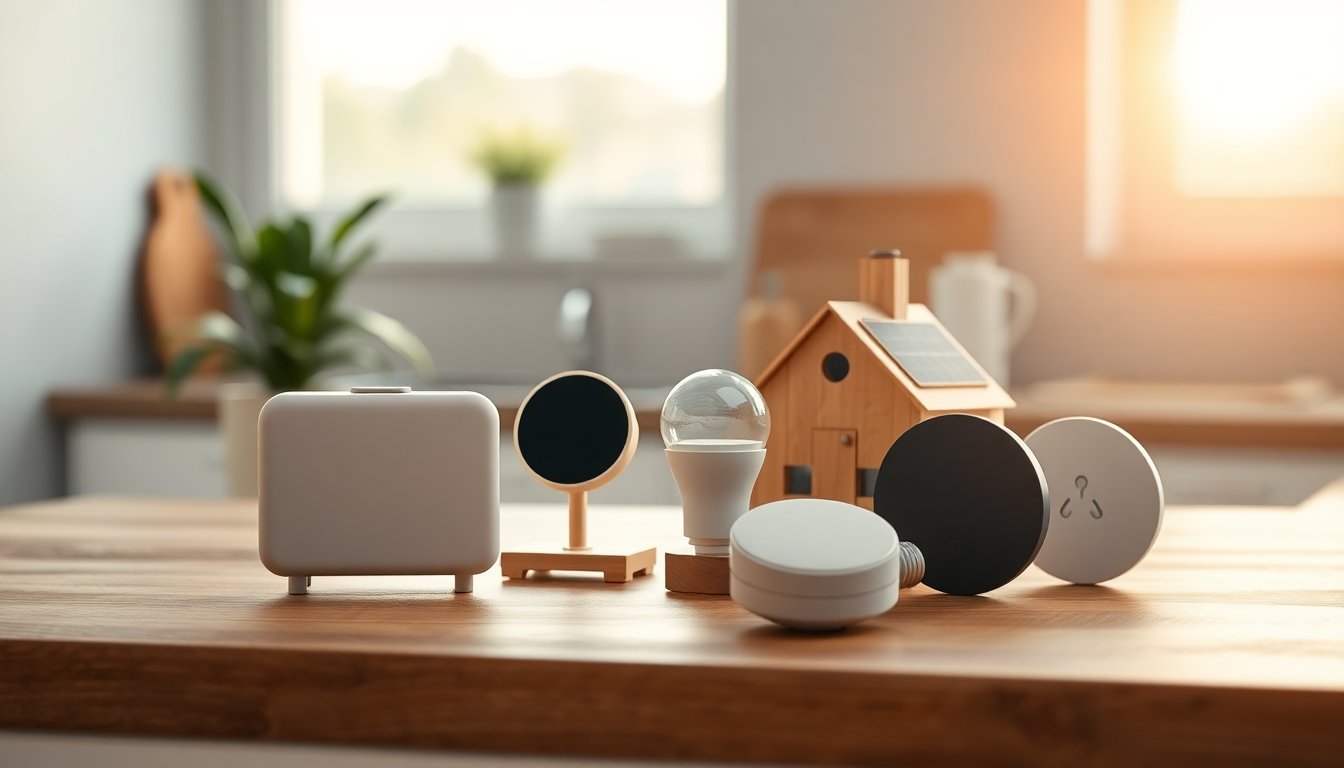
Choosing more efficient home tech can reduce your environmental footprint and trim monthly expenses without a major renovation. This guide walks through practical categories of devices that deliver both energy savings and improved convenience, from intelligent heating controls to solar-ready power systems. Each recommendation focuses on everyday benefits: lower utility bills, automated routines, and less manual effort to keep systems working efficiently. The suggestions here reflect hands-on testing and real-world use cases that help you decide which upgrades match your home and habits.
We also want to be transparent about how these suggestions come to you: experienced reviewers and editors evaluate products and run tests to verify claims, and affiliate relationships may exist when you choose to buy. That process helps surface durable options that balance performance, privacy and cost. Throughout this article you’ll see key concepts emphasized with technical terms and brief explanations presented as definitions so you can quickly learn what matters when choosing devices.
Essential upgrades that reduce consumption
Start with systems that directly control major energy draws: heating, ventilation and lighting. A smart thermostat is frequently the top upgrade because it governs one of the largest household energy uses. Meanwhile, swapping old bulbs for LED bulbs and adding networked lighting controls prevents wasted illumination. Small additions like smart plugs can make intermittent appliances programmable and measurable. Together, these changes create an ecosystem where scheduling, remote control and automated rules cut waste while making daily life simpler—especially when the devices offer remote app control and integrate with voice assistants.
Smart thermostats: precision heating and cooling
A modern smart thermostat brings more than a timer: expect features such as adaptive scheduling, occupancy detection and support for additional temperature sensors. These systems often include presence sensing that adjusts setpoints when rooms are empty, and some learn household patterns to optimize comfort and savings automatically. Brands implement an eco mode or similar profile to lower energy use during away periods, and many allow remote control so you can change temperatures on the go. For most homes, the energy savings alone can justify the device within a year or two, especially when paired with sensible schedules.
Lighting and plugs: small investments, steady returns
Upgrading to smart lighting and adding smart plugs is a low-friction way to reduce power draw. Replacing incandescents with LED bulbs cuts baseline lighting energy dramatically, and adding schedules, occupancy sensors or motion-activated scenes prevents needless runtime. Smart plugs make ordinary devices controllable and, in models with energy monitoring, reveal the consumption patterns of individual appliances so you can change behavior. For households that want to expand control further, smart surge protectors consolidate multiple outlets while adding measurement and protection features.
Renewable and passive strategies that extend savings
Beyond automation, integrating renewable charging and passive management can deepen your impact. Solar batteries and panels let you store sunlight for evening or backup use, while solar-assisted cameras and shading systems reduce grid reliance and cooling loads. Combining these approaches with automation—timed shades, weather-aware irrigation—creates a system that responds to environmental conditions as well as user preferences. The following subsections outline practical ways to add these capabilities without overcomplicating ownership.
Solar batteries and solar security cameras
Home battery units branded as home backup systems allow selective loads to run off-grid or during peak pricing. When paired with rooftop solar panels, they store daytime generation for later use, supporting everything from essential circuits to entertainment systems. Similarly, many security cameras now offer integrated or optional solar panels so you avoid frequent battery swaps for remote units. These solar charging setups are especially useful for hard-to-reach mounts and reduce maintenance while keeping continuous recording or motion detection active.
Smart shades and irrigation for passive efficiency
Automated window coverings and smarter lawn controllers cut thermal gains and water waste with little day-to-day effort. Smart shades can be scheduled or triggered by sunlight to block heat during peak hours, lowering air-conditioning demand. On the landscaping side, smart sprinklers replace static timers with weather-aware schedules that pause for rain and tailor watering to local conditions. These systems use weather integration and sometimes soil sensors to deliver water only when needed, trimming bills and conserving resources simultaneously.
Bringing it all together
Start small: pick one or two upgrades that address your highest energy uses and match your lifestyle. A combination of a smart thermostat and a few smart plugs often yields visible savings quickly, while adding solar batteries or automated shades scales benefits over time. Look for devices that emphasize local control, clear energy reporting, and straightforward integration so you avoid complexity. With a staged approach, these investments pay back through reduced consumption and improved comfort, giving you both financial and environmental returns.


