
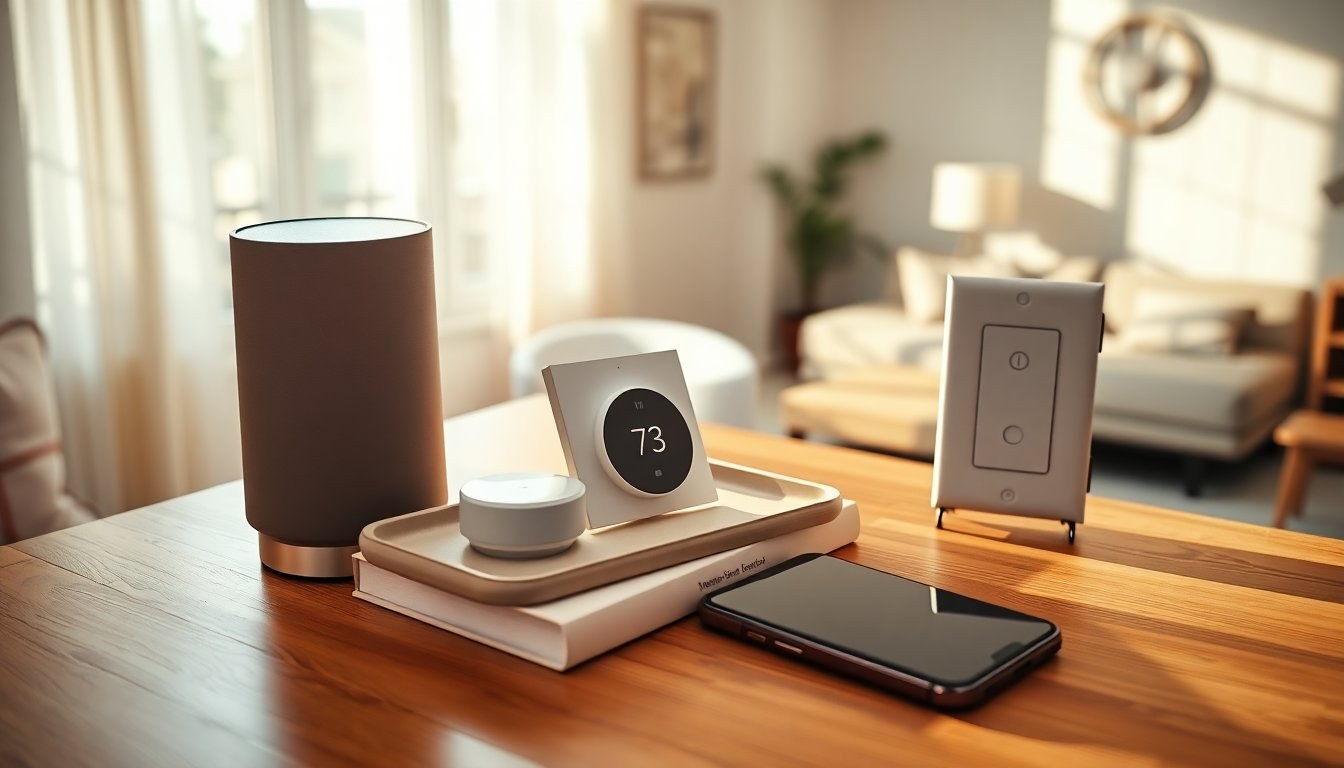
Upgrading a residence with connected gadgets often focuses on speakers, thermostats and cameras, but there is equal value in automating smaller fixtures. The point of a smart home is to let devices handle minor, repetitive tasks so you don’t have to. By using simple rules and sensors you can make daily life smoother, reduce wasted energy, and avoid those little frustrations that add up.
Below I outline practical automations you can deploy quickly, explain why each one matters, and list devices I’ve relied on. Wherever possible I pair automation ideas with inexpensive sensors or plugs so you can start small. An automation in this context is a set of rules that triggers actions—like turning lights on when motion is detected or switching a fan on when humidity rises.
Why automate the often-forgotten parts of your home
Many people think automation is about voice commands or scheduling dramatic scenes, but the biggest payoff comes from eliminating tiny annoyances. Automating a pantry light or connecting a humidity sensor to an exhaust fan are examples of high-value, low-effort projects. These setups reduce manual intervention, prevent damage (for example, mold from lingering moisture), and stop appliances from drawing power unnecessarily. Focus on automations that handle what you frequently forget or tasks that are time-sensitive: those return the most convenience per dollar.
Smart setups to add first
Begin with automations that address safety, convenience or energy waste. Use a mix of motion sensors, smart plugs, smart switches, and environmental sensors to create reliable triggers. For instance, I use a presence sensor on an Echo Show to detect activity in my kitchen; when someone is present the pantry light comes on and if no presence is detected for 10 minutes the light turns off. That single rule prevents fumbling in the dark and saves electricity.
Everyday convenience automations
Lighting and ventilation are low-hanging fruit. To make closets and pantries hands-free, pair a motion sensor with a smart bulb or LED strip so lights activate when the door opens. If there is no outlet, an LED strip like the GE Cync Smart LED Strip Light with an extension cord and cable clips hides wiring neatly. In bathrooms, replace the fan switch with a smart switch and add a humidity sensor so the fan runs only when needed—this prevents mold and saves power. For coffee makers, use a smart plug on a morning schedule to cut vampire loads and, if you want hands-off brewing, add a button pusher like the SwitchBot Smart Switch Button Pusher to physically start a brew cycle.
Safety, pets and climate automations
Beyond convenience, sensors can protect your home and simplify pet care. Put a temperature sensor near vulnerable pipes and automate a heater on a smart plug to prevent freezing. A vibration sensor on a washer or dryer lets you know when a cycle ends so clothes don’t sit and mildew. For pets, a scheduled automatic feeder and a pet door that unlocks only for a collar-equipped animal reduce repetitive chores and keep pets safe. Install a water leak detector near appliances or basements to receive early warnings before damage spreads. For outdoor watering, a reliable Wi‑Fi timer automates irrigation without constant oversight.
Getting started and recommended gear
If you want to replicate these automations, aim for components that play well with your existing ecosystem. My practical picks include the TP-Link Tapo Motion Sensor and Hub and the Aqara FP300 for presence and motion detection, Govee Smart Light Bulbs and GE Cync Smart LED Strip Light for lighting, and the Eve Light Switch paired with a SwitchBot Thermometer Hygrometer to manage bathroom humidity. For coffee and small appliances use the Kasa Smart Plug Mini and consider the SwitchBot Smart Switch Button Pusher for physical buttons. Pet solutions I trust include the Petlibro Automatic Cat Feeder, Eufy Security E30 cameras, and the High Tech Pet Power Pet door. For irrigation I rely on the Meross WiFi Water Timer. These devices enable the automations described and are simple to combine into routines.
Start with one or two automations that solve a real annoyance, validate the behavior, and then expand. Small, well-chosen rules make a household noticeably easier to manage while cutting waste and improving safety. As you build confidence, connect these elements into broader routines—bedtime, away mode, or vacation—all orchestrated by the same smart home platform.


