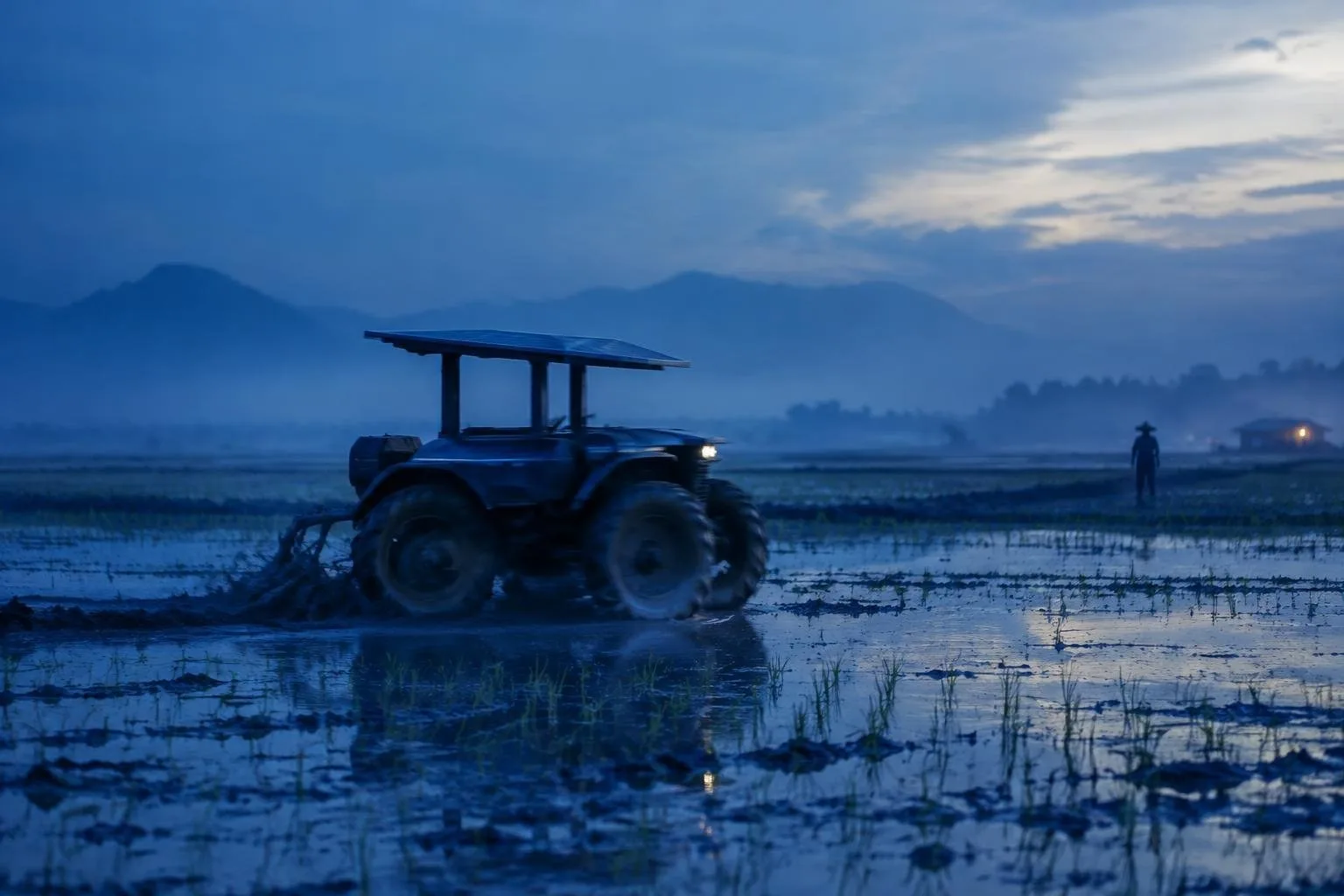
The Dong Thap People’s Committee announced in September a ten-year blueprint that seeks to make the province a model of ecological agriculture, modern rural life and skilled farming communities by 2030. The strategy hinges on a shift toward a green, circular, low-emission sector powered by science, technology and sustainable value chains. By dividing the province into three socio-ecological zones, officials matched each area’s natural assets with specific high-value products, from premium rice and basa fish to tropical fruits and ornamental flowers.
Pilot projects illustrate the power of low-emission and digital tools
In the summer-autumn 2026 cycle, 100 households in Tan Dien and Tan Hong communes adopted the one-million-hectare low-emission rice model. Seed rates dropped from 150 kg to as low as 100 kg per hectare, while nitrogen and phosphorus inputs fell by 33 kg/ha and 16.5 kg/ha respectively. Farmers also switched to alternate wetting and drying irrigation with three drainage phases and stopped burning rice straw after harvest. The result was a carbon reduction of one tonne of CO₂-equivalent per hectare per season and a halving of emissions per kilogram of rice.
Yield climbed to 6.4 t/ha, an increase of 1.1 t compared with control plots, and production costs shrank by $165 per hectare. Profit per hectare rose by more than $460, while the cost of rice dropped from roughly $0.20 to $0.136 per kilogram. These figures demonstrate that low-emission farming can simultaneously cut greenhouse gases, boost farmer income and improve competitiveness. The province plans to extend this approach across all rice fields by 2035, targeting a 20 % cut in total agricultural emissions.
Smart orchards, aquaculture and digital networking
With over 32,000 ha of durian trees, Dong Thap is aligning orchards with VietGAP and GlobalGAP standards, supplementing traditional practices with smart irrigation, organic fertilisers and Trichoderma-based biocontrol agents. In 2026 the province piloted a traceability system at packaging sites, deployed digital maps of planting zones, introduced ripeness-measuring devices and installed cadmium-monitoring solutions. The basa fish sector targets $1.12 million in revenue for 2026, emphasizing high-tech aquaculture zones, biosafety, quality seed production and deep processing. By 2030, every licensed basa farm is expected to join a province-wide traceability network.
Digital transformation is cemented in the 2022-2025 plan, which defines four pillars: data-driven farm management, safe production digitisation, monitoring and traceability networks, and a comprehensive soil-crop-livestock-market database. Farmers now use drones for scouting, software for pest and disease alerts, electronic handbooks and digital logs. As of June, about 83 % of cooperative members can operate smart devices in daily activities. The province also boasts 1,352 “One Commune, One Product” items with three-star or higher ratings, underscoring a quality-first mindset.
National solidarity festival highlights social gains
During the Great National Solidarity Festival, Vice President Vo Thi Anh Xuan visited Vinh Binh A hamlet in Lap Vo commune, where per-capita income reached 75 million VND (≈ $2,855) and rice yields hit 6.5-7 t/ha. Residents showcased expanding trade and service activities, while community groups supported disadvantaged families, built bridges, and repaired roads. The Vice President underscored the festival’s role in reinforcing cultural values as a “spiritual foundation” for sustainable development, linking the celebration to Vietnam Culture Day and the upcoming 80th anniversary of the first National Cultural Conference.
Gifts were presented to policy-beneficiary families, meritorious citizens and near-poor households, reinforcing the province’s commitment to inclusive growth. The event illustrated how economic advances in agriculture dovetail with social cohesion, creating a feedback loop where higher farmer incomes fund community projects, which in turn nurture a cultured, united rural society. Officials called for continued cooperation among Party committees, the Fatherland Front, mass organisations and residents to sustain the momentum toward self-reliance and shared prosperity.