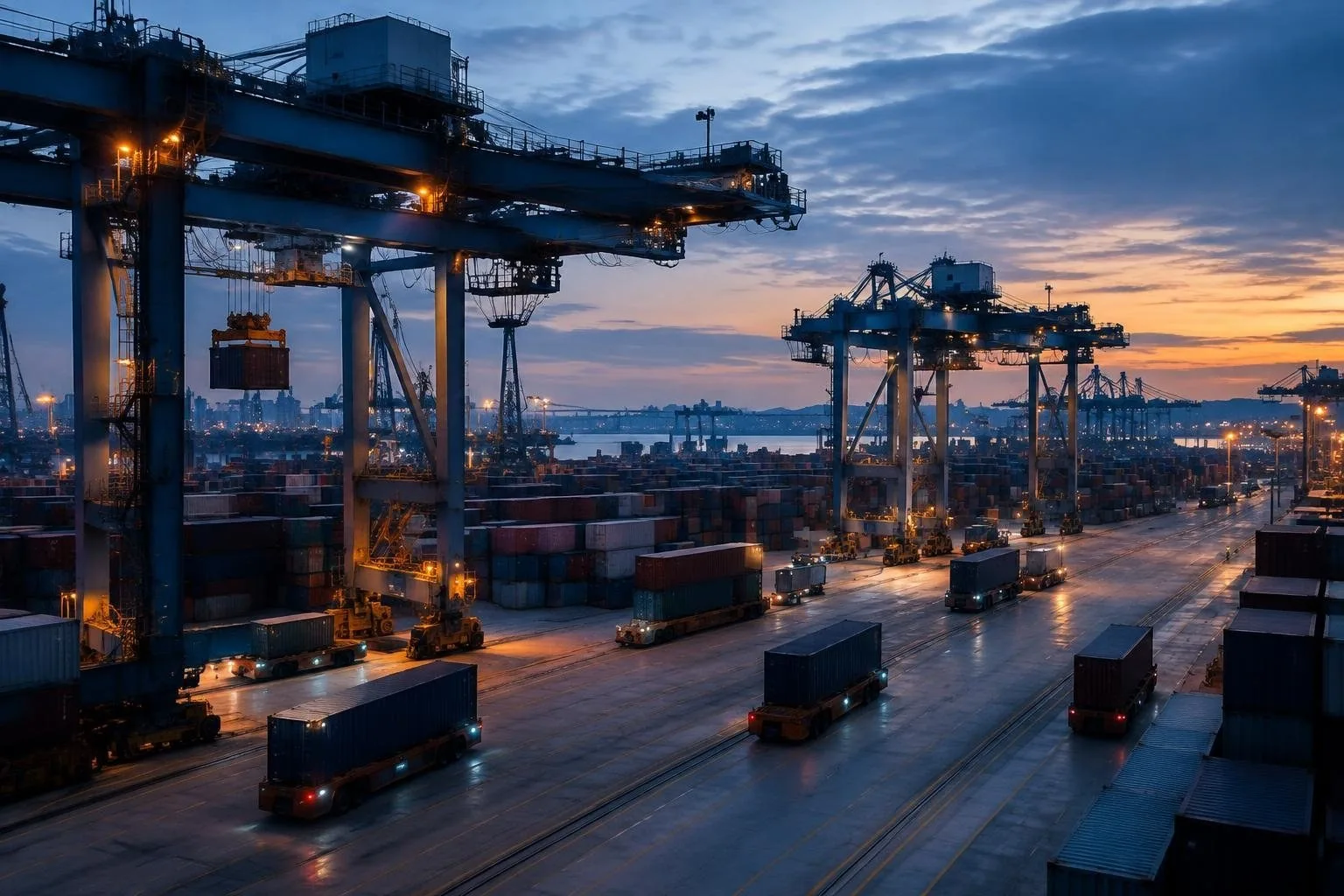
Customs data show that China recorded a cumulative trade surplus of $1.04 trillion between January and October, crossing the $1 trillion threshold for the second year in a row and a month earlier than the previous cycle. Export volumes jumped 35.2% in October year-on-year, while imports rose 41.6%, narrowing the monthly surplus to $105.3 billion. The figures underline a growing reliance on foreign markets as domestic consumption remains weak, with property sales and household spending still lagging.
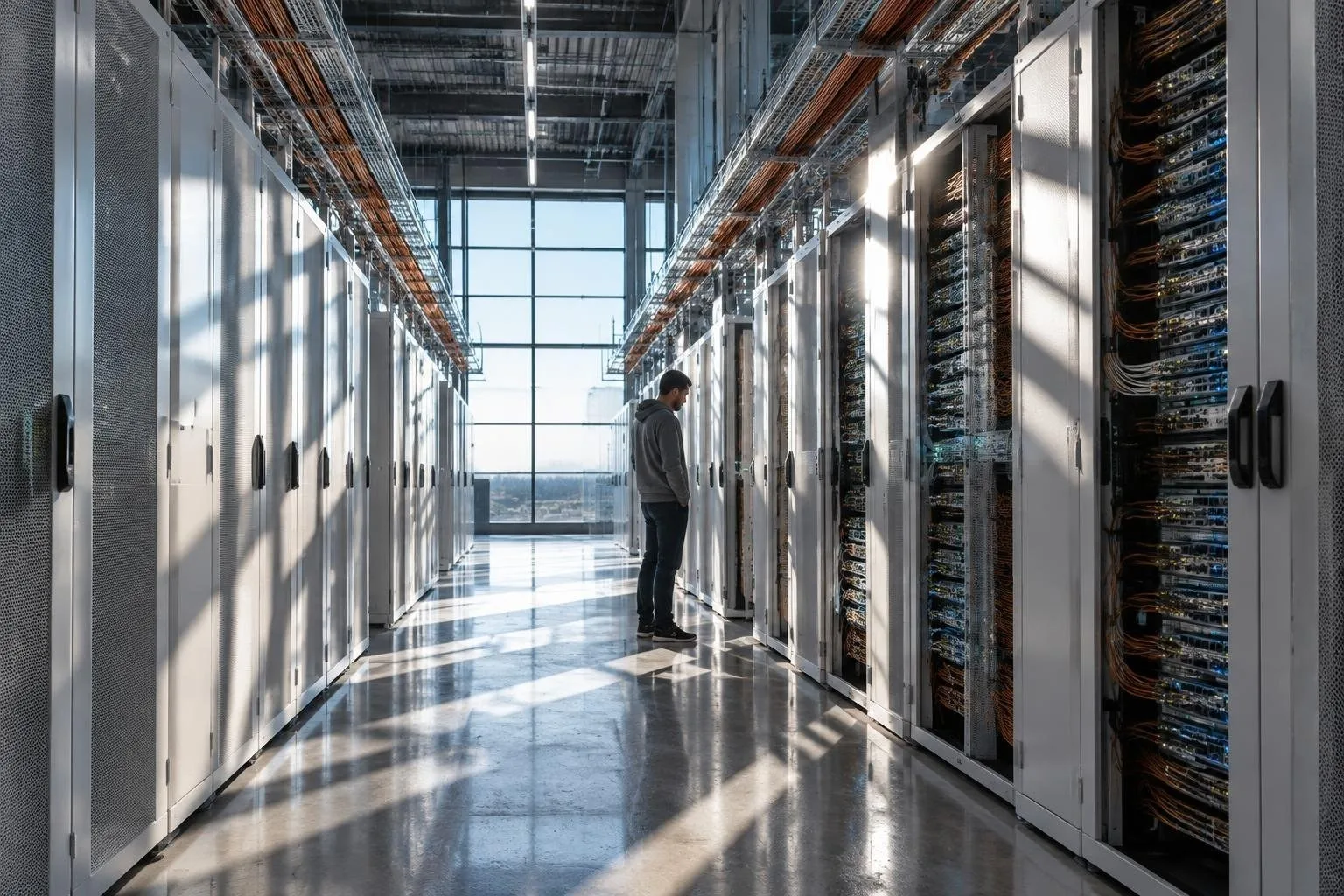
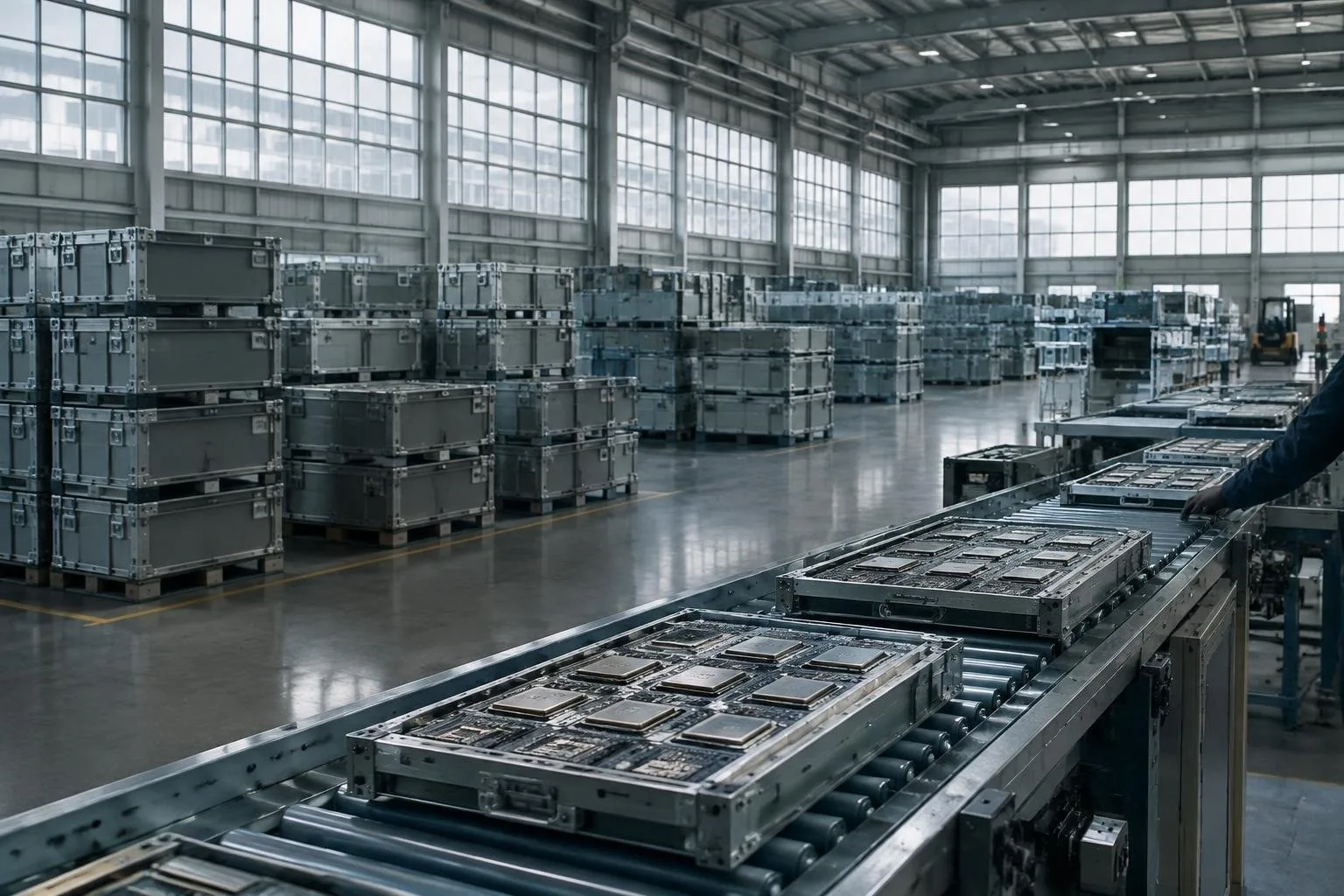
At the heart of the surge lies an unprecedented appetite for artificial intelligence (AI) infrastructure. Global tech firms and data-centre operators are buying Chinese-made semiconductors, server components and related electronics at a pace that eclipses pre-pandemic levels. Analysts attribute the upside to massive investments in AI-centric data centres, high-performance computing clusters and advanced robotics, all of which need the very chips that Chinese factories produce.
AI-related exports power the surplus
The export lift is especially pronounced in categories directly linked to AI development. Semiconductors, high-end graphics processing units and other AI chips accounted for a sizable share of the October growth, with shipments of Nvidia-based accelerators alone hitting record numbers. Moody’s Analytics forecasts that electronics and automobiles will continue to be the main export engines through the end of the year, while Macquarie notes that the fourth quarter could see a brief acceleration before a modest slowdown in early 2027.
Nevertheless, concentrating growth around a narrow set of high-tech products creates a structural vulnerability. Should global AI spending ease, Chinese manufacturers that specialise in chips and related components could see demand contract sharply, potentially reversing the trade-balance gains achieved so far.
Geopolitical ripple effects and the Nvidia chip controversy
The expanding surplus has drawn fresh scrutiny from Washington and Brussels. The European Union is already negotiating tighter safeguards on Chinese imports, especially in the automotive sector, while the United States has extended a two-month trade truce that hinges on reciprocal tariff cuts for American agricultural goods. Yet bilateral tensions persist, with the U.S. trade surplus with China sliding to $32.71 billion in October, a lingering sore point for both sides.
Central to the friction is the battle over Nvidia’s high-performance AI chips. The American giant’s GPUs are considered the gold standard for training large language models, thanks to their parallel-processing architecture and the supporting CUDA software ecosystem. U.S. export-control rules, tightened since late 2022, prohibit the sale of the most advanced chips to China, prompting Nvidia to develop lower-spec versions for the market. In early 2026 the Commerce Department introduced a case-by-case licensing pathway for the H200 processor, but approvals remain scarce, leaving roughly 600,000 units stuck in Hong Kong awaiting clearance.
Chinese chipmakers such as Huawei, Cambricon and Alibaba’s T-Head are accelerating domestic R&D to fill the gap, yet surveys from IDC show Nvidia still commands roughly a third of China’s data-centre AI-chip market in the first half of 2026. The divergence between demand and supply has intensified calls for additional tariffs or non-tariff barriers, a risk that Trivium China’s lead macro-economist warns could materialise in 2027.
Domestic pressures and the outlook
Inside China, the trade surge masks lingering structural issues. Consumer spending is muted, and the property sector continues its decades-long slump, eroding household wealth. Companies are therefore looking outward; the auto industry, for instance, posted rising export figures even as domestic sales slipped for a 12th straight month. Analysts such as Natixis’s Alicia García-Herrero argue that this export-driven model is unsustainable without broader domestic revitalisation.
Looking ahead, the durability of the AI-driven export boom hinges on several variables: the pace of global AI funding, the evolution of U.S. chip-export policies, and the ability of Chinese firms to develop home-grown alternatives. If the AI investment cycle sustains, China could retain its $1 trillion-plus surplus for another year; a premature contraction, however, may expose the economy to heightened trade frictions and a sharper rebalancing of its external accounts.