
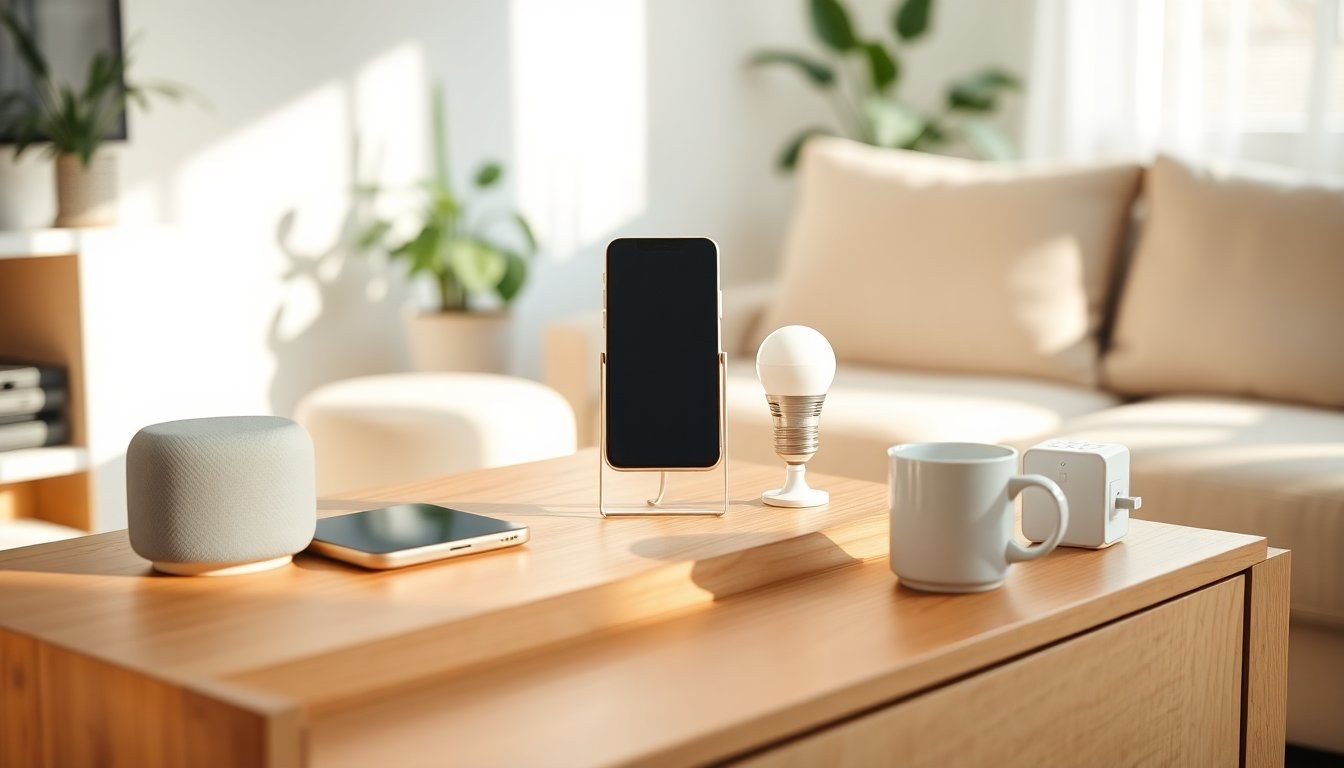
The path to a functional, voice-controlled home starts with a single choice: your smart home assistant. Whether you put that assistant on a standalone speaker or use the one already on your phone, it becomes the central point for voice commands, automated routines, and device coordination. A thoughtfully chosen assistant makes it easy to add everything from smart bulbs and plugs to locks, blinds, and garage controls without wrestling with multiple apps.
When deciding, the simplest rule is to lean on what you already use daily. If your primary device is an iPhone, Apple Home and Siri are natural fits. Android users often find Google Gemini convenient, while those who want a broad range of speaker hardware and accessory options may favor Amazon Alexa. Consider compatibility, privacy trade-offs, and subscription costs; the ecosystem that requires the fewest workarounds will usually provide the smoothest experience.
Ecosystem snapshots
Amazon Alexa
Alexa played a major role in popularizing the modern voice-controlled household, and Amazon still offers the most device choices on the market. The lineup spans compact speakers and high-end audio units to smart displays, and many models include a built-in smart home hub to connect Zigbee or other local devices. Alexa can create user profiles, link calendars, and enable voice control across rooms, making it a strong option when voice-first interaction matters most.
That breadth has a cost: Amazon now offers an enhanced assistant tier, Alexa+, which is widely available in the U.S., and some features may sit behind paywalls. Amazon also owns Ring, whose camera ecosystem integrates tightly with Echo devices but has raised privacy concerns because of partnerships that can allow law enforcement requests. If you choose Alexa, budget for potential subscriptions and be mindful of privacy policies tied to certain hardware brands.
Apple Home
Apple Home appeals for its seamless fit with iPhones and the native Home app. Apple’s HomePod and HomePod Mini function as hubs and support standards like Matter over Thread, which improves cross-brand interoperability. Many users praise the ecosystem for reliability and encryption, and Apple’s approach emphasizes privacy protections and end-to-end encryption for compatible devices.
The trade-offs are fewer third-party accessories and generally higher prices, although the rising adoption of Matter is lowering those barriers and bringing more affordable options—such as Ikea’s new smart bulbs and plugs—into the fold. Also consider that relying on Siri via your phone can drain battery, so a dedicated hub or speaker is often preferred to give family members easy access without sharing phones.
Google Gemini
Google Gemini powers Google’s smart home experience and is a natural choice for Android users and those who value software-driven intelligence. Google’s Nest lineup—thermostats, doorbells, and speakers—integrates well with the Google Home app and Google services. Google offers a unified premium subscription that unlocks advanced features across devices rather than charging per product, though it does have tiered pricing for additional capabilities.
Hardware choices are narrowing as Google shifts toward partner-made products, so you may find fewer official models than with Amazon. Still, Nest devices remain well-regarded, and Google’s machine learning features can provide helpful context and alerts. If you want tight integration with Android and Google services, this ecosystem is compelling—just watch for changing hardware availability and subscription terms.
The role of Matter and where apps still matter
Matter is a game-changing universal standard designed to make devices from different manufacturers work together, and it simplifies setup by allowing products to pair through a single hub app. In practice, Matter lets you set up a device in the ecosystem you prefer, which makes building a mixed-brand smart home much easier than before. However, using Matter does more than simplify pairing: it further commits you to the chosen ecosystem’s hub app and rule sets, so switching later can require resetting devices.
Despite Matter’s promise, manufacturers’ native apps still offer distinctive features you might miss otherwise—for example, advanced lighting effects in the Cync app or energy monitoring in a smart plug. Video history and cloud storage often remain tied to a vendor’s subscription plan, so if you care about those capabilities, retain the vendor app for configuration and advanced controls. Weigh convenience against the potential loss of unique features when you standardize on the ecosystem app.
Starter device suggestions and a practical approach
If you want quick recommendations, here are solid entry points by ecosystem: for Amazon, consider an Echo Show 11 for kitchens, plus high-quality audio options like the Echo Studio and compact units such as an Echo Dot Max, paired with Cync smart bulbs and a Yale smart lock. For Apple, the HomePod Mini and an Apple TV 4K (2026) provide hubs, and affordable Matter-compatible devices from Ikea—like the Kajplats bulb and Grillplats plug—make entry inexpensive. For Google, the Nest Audio, the Nest Doorbell (Wired, 3rd Gen), and First Alert’s SC5 alarm are reliable choices.
Ultimately, pick the platform that reduces friction: choose the assistant that matches the phone and services you already rely on, reserve vendor apps for advanced features, and be realistic about subscriptions and privacy trade-offs. With the right hub and a few well-chosen devices, your home will quickly move from manual controls to a cohesive, voice-enabled environment.


