
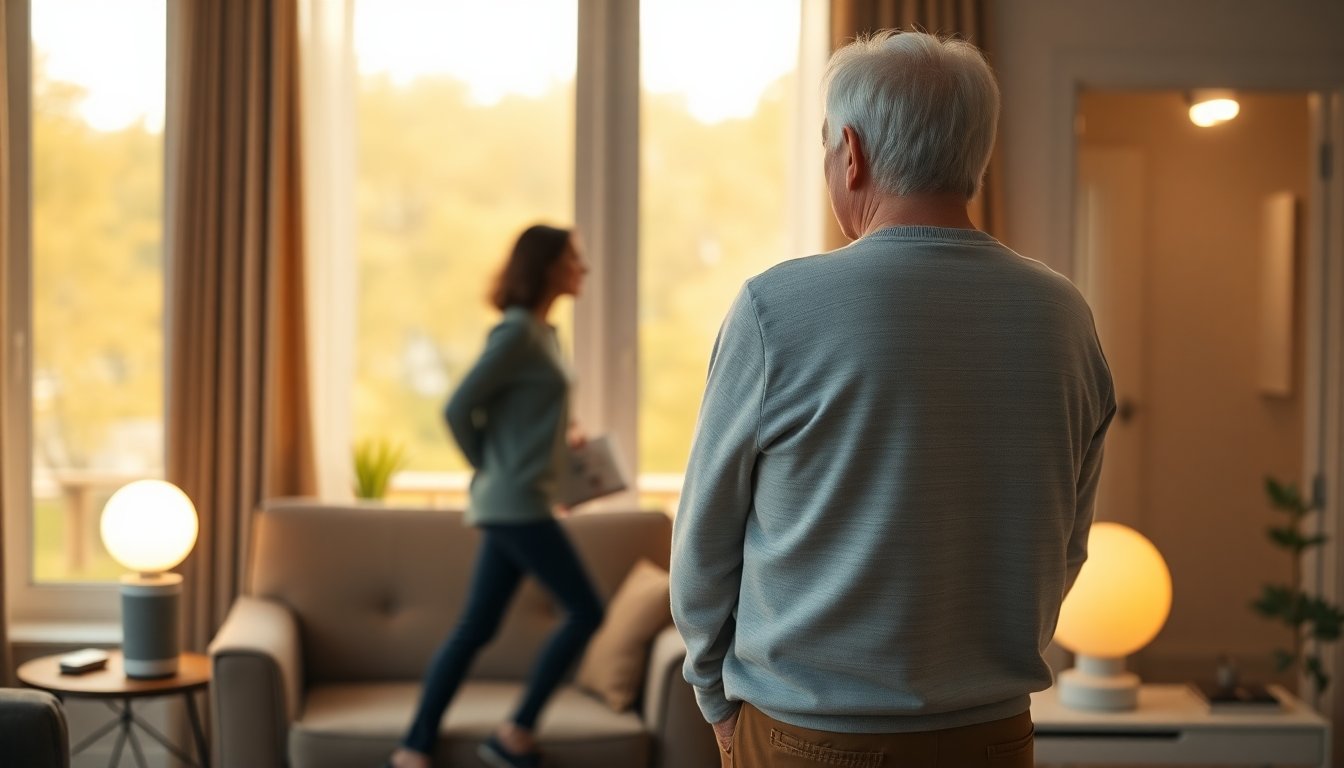
Many older adults prefer to remain in the homes they know, and modern technology makes that choice more achievable than ever. In 2026, an expanding range of consumer devices and services focus on simplicity and reliability, helping families reduce hazards while preserving dignity. The most useful tools emphasize ease of use, low maintenance, and clear value—things like voice-activated assistants, automated lighting, and fall detection that integrate into everyday routines rather than complicate them. These solutions work best when selected to address specific risks and paired with basic home modifications.
Before buying gadgets, it helps to think in terms of needs: which rooms pose the greatest danger, which daily tasks require support, and who will manage the system. A combined approach—mixing smart products with nontechnical interventions such as grab bars, non-slip mats, and decluttering—creates meaningful improvements in safety. Professionals trained in senior home safety can help tailor a plan and avoid unnecessary technology purchases, ensuring devices are used and maintained correctly.
Core categories that deliver real impact
Some product types routinely show the greatest benefits for older adults. Voice assistants like Amazon Alexa and Google Nest let users make calls, control lights, and hear reminders without navigating complex menus. Motion-activated lighting reduces fall risk by keeping hallways and bathrooms illuminated at night. Smart doorbells and security cameras allow visual verification of visitors and can block common scams by showing who’s at the door. Together, these categories form a foundation for safer daily life without requiring constant technical skill.
Wearables and in-home sensors
Fall detection wearables and radar or thermal sensors detect incidents quickly and can alert caregivers or emergency services. Modern systems include compact pendants and wall-mounted units that use radar-based detection to preserve privacy while still recognizing falls. For people who wander or spend time outside, GPS-enabled medical alert devices add location tracking, while at-home setups prioritize nonintrusive monitoring and rapid local response.
Medication and hazard control
Medication mistakes are a leading safety concern, so smart pill dispensers such as timed locks and dispensers that notify caregivers are valuable tools. Likewise, devices that automatically shut off gas or water—examples include smart valves and stove sensors—prevent fires and floods. These systems act on predefined rules, reducing reliance on memory and lowering the chance of emergency incidents caused by unattended appliances or leaks.
How smart devices reduce risk and support independence
When integrated thoughtfully, technology reduces common hazards and improves response times. Motion sensors and automatic lighting prevent trips during nighttime movements, while predictive activity sensors can flag changes in routine that may indicate health issues. Video doorbells and caller-ID services help deter scams and unwanted visitors, which is important given the high financial abuse rates among older adults. During emergencies, integrated platforms can contact multiple people and public services simultaneously, improving outcomes when time is critical.
Supporting cognition and routines
For individuals with mild cognitive decline, repeated prompts from voice assistants or scheduled dispensing from smart medication systems provide structure without constant supervision. These tools preserve a person’s autonomy by offering gentle reminders for meals, appointments, and daily tasks, and they reduce caregiver burden by handling routine checks remotely through companion apps.
Choosing and integrating technology the right way
Usability is the top priority. Look for products that offer plug-and-play installation, clear audio prompts, and simple physical controls. Many manufacturers now design with seniors in mind: large buttons, hands-free operation, and companion apps that allow family members to manage settings remotely. Privacy-conscious options that use non-camera detection or local processing address surveillance concerns while still delivering safety benefits.
Start small by addressing the highest risks identified in a home safety review—bathroom lighting, kitchen stove reminders, or medication adherence—and expand only if the technology proves helpful. A professional home safety assessment can prioritize interventions and recommend reliable brands and installers. Finally, combine smart devices with low-tech measures like grab bars and good lighting for the most resilient result.
In short, the best Smart home approach for seniors is practical, personalized, and low-friction. When chosen sensibly and supported by caregivers or professionals, these tools become quiet helpers that preserve freedom and lower risk, allowing older adults to remain in the homes they value with greater confidence.


