
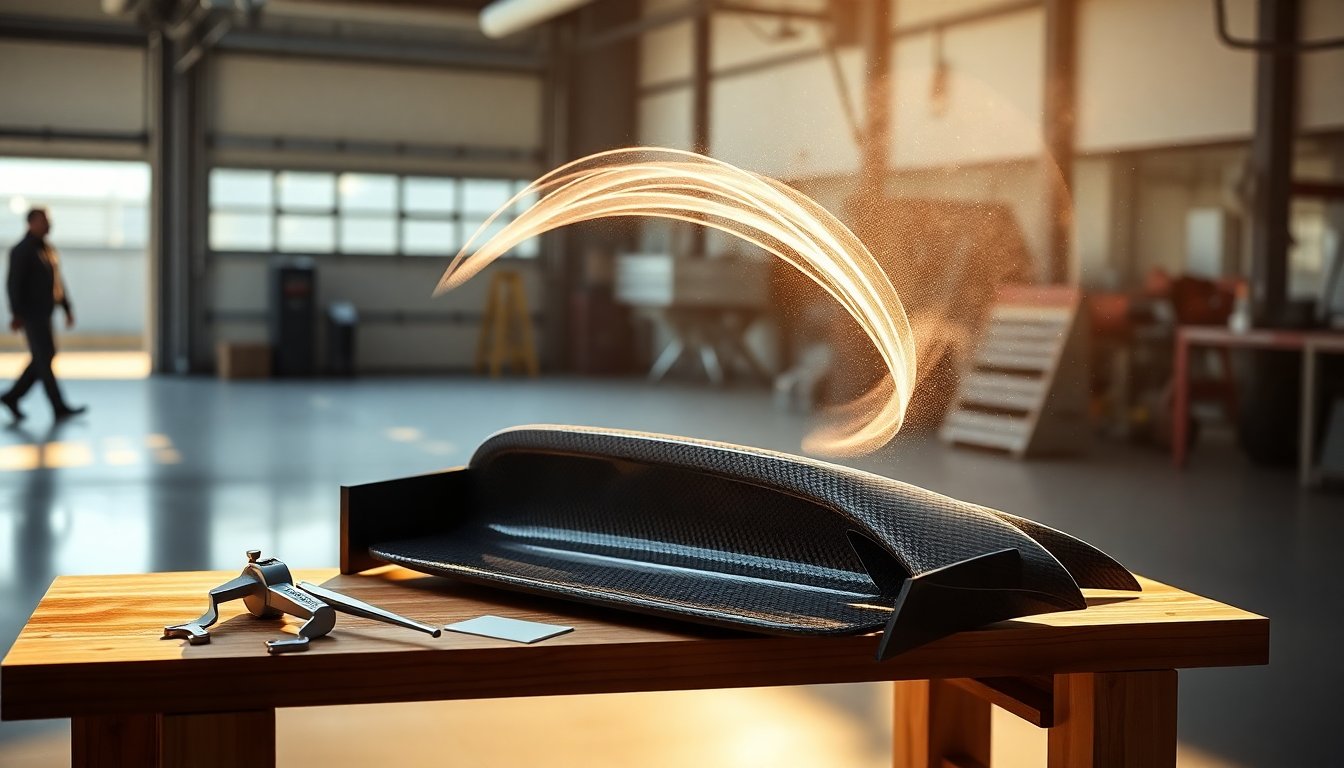
The 2026 Formula 1 season has arrived with a fresh regulatory slate, and the paddock responded with a wave of engineering creativity. Our technical review begins with observations from Sam Collins, who has catalogued the principal changes teams introduced in the first three rounds. Those changes range from aerodynamic subtleties to powertrain packaging, and they all aim to exploit the new rules while improving lap time and race performance. In this context the 2026 regulations act as a catalyst for innovation, and every team is trying to find the most effective interpretation of those constraints.
Across the grid there are clear themes: varying approaches to front wing geometry, novel rear wing concepts and a renewed focus on packaging around turbo systems. Some solutions are immediately visible on-track, while others are expressed in small details that require careful analysis to appreciate. The presence of Active Aero on this year’s machinery has encouraged teams to adopt divergent strategies, creating a technical arms race as engineers decide whether to maximise straight-line speed, cornering stability, or a compromise tuned to their car’s strengths.
Standout rear-end developments
Ferrari has introduced what the paddock is calling a ‘flip-flop’ rear wing concept alongside a high-performing turbo arrangement that appears to give their car excellent starts. The wing’s geometry can be interpreted as a way to vary pressure distribution over the rear axle depending on yaw and ride, while the turbo packaging contributes to the car’s ability to launch quickly from standing starts. Those two elements combined have helped Ferrari look exceptionally rapid off the line, and the package demonstrates how close interaction between powertrain layout and aerodynamic design can pay dividends.
Why the flip-flop wing matters
The peculiar shape of the flip-flop wing is not an aesthetic flourish but a targeted attempt to manage airflow in critical conditions. By altering local camber and chord inboard, the wing produces a different pressure map when the car is loaded through a corner versus when it is stable on straights. This affects traction and rear-end balance, and the team claims the trade-offs are favourable across a race stint. The use of variable geometry in a tightly regulated environment highlights how teams seek marginal gains within the rules.
Subtle indents and divergent front wing thinking
Red Bull has focused attention with small indents in their rear wing endplate area — minor in appearance but potentially significant for laden downforce characteristics. These cutouts can manage vortex shedding and reattach flow in a way that optimises the wing’s contribution to overall downforce without incurring excessive drag. Meanwhile, the grid is split over front wing philosophies because Active Aero allows different interaction strategies between the nose, wing elements and the rest of the car. Some teams favour wide, high-loading designs, whereas others prefer cleaner, lower-loading shapes to preserve flow for the underbody.
Front wing divergence explained
With Active Aero able to alter aerodynamic behaviour dynamically, front wing choices are no longer about a single static compromise. Teams that load the front more aggressively can extract extra cornering peak performance, but they risk upsetting the flow to the floor and diffuser. Conversely, conservative front wings keep the underfloor flow consistent, helping the car through multi-corner sequences. The early rounds show both routes can work depending on the overall package and tyre management, making the front wing a central battleground.
Who leads and what might be copied next
All eyes are on Mercedes to see whether their aerodynamic interpretation can match the raw engine strength often associated with their power unit. The season opener’s developments will influence upgrade trajectories: teams that find effective concepts early will refine and propagate them, while others may pivot mid-season. As squads prepare for the next wave of parts—beginning in Miami at the beginning of May—the question becomes which features are scalable and which are one-off solutions tailored to a specific chassis concept.
Sam Collins’ analysis and the initial on-track data suggest some ideas are likely to spread: efficient turbo packaging that aids launch, rear wing techniques that reconcile downforce with drag, and front wing concepts that prioritise consistent underfloor flow. As development gathers pace, expect incremental updates inspired by these early innovations. The competition will increasingly be about how quickly teams can incorporate learned advantages into cohesive aerodynamic and mechanical packages for the next string of races.
Final thoughts
The opening races of the 2026 Formula 1 season have been a live laboratory for engineers testing the limits of the new rulebook. Between Ferrari’s rear-wing and turbo solutions, Red Bull’s nuanced wing indents, and the divergent front wing routes enabled by Active Aero, the field has already laid down a fascinating technical map to follow. Those watching closely will spot which concepts translate into consistent race performance, and which remain clever but isolated experiments.


