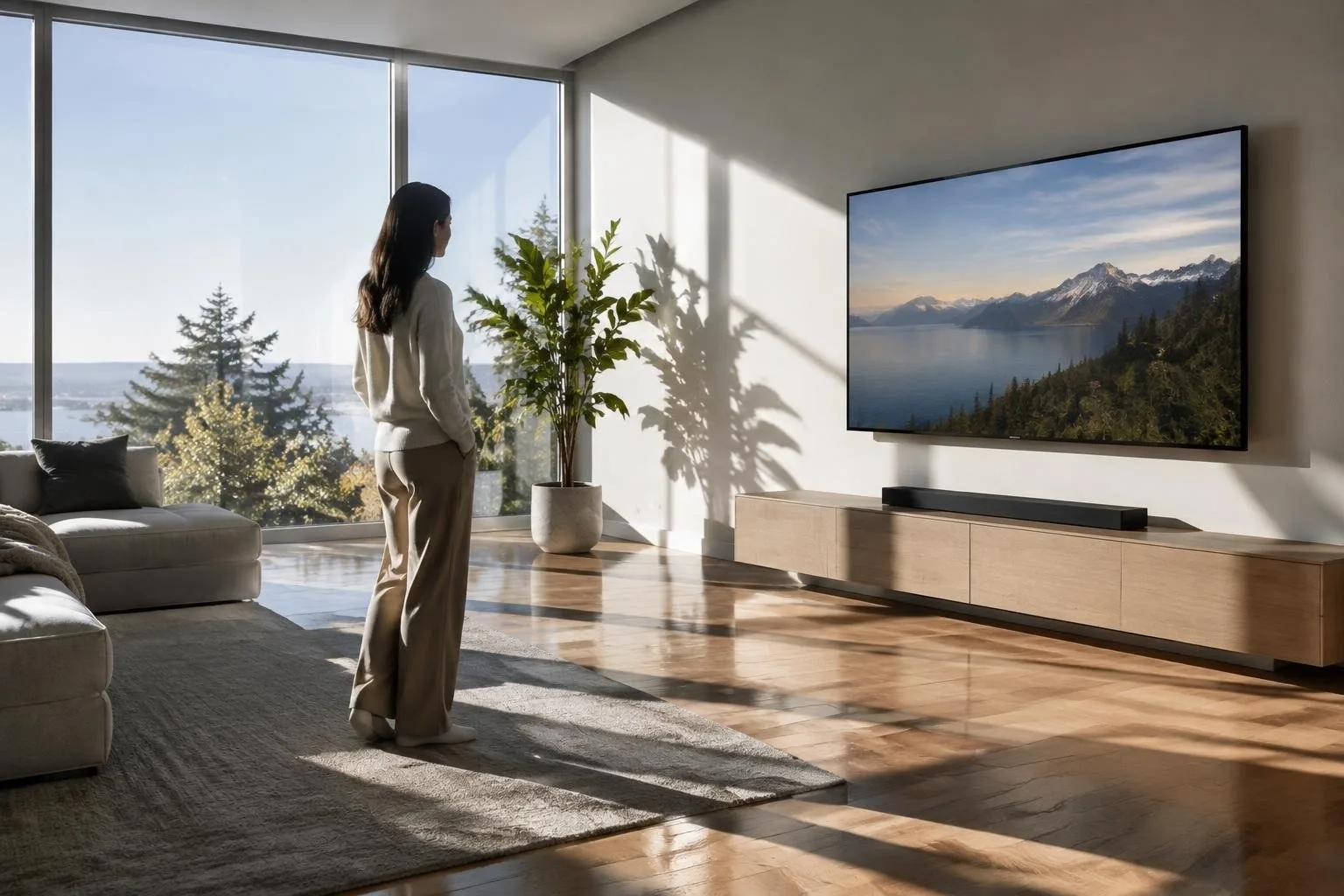
A smart tv is a significant investment for any home, and with so many options available, it can be difficult to choose the right one. When it comes to smart tv technologies, oled, mini-led, and qled are three of the most popular options. Understanding the differences between these technologies is crucial in making an informed decision. OLED (organic light-emitting diode) tvs are known for their excellent color volume and contrast ratio, making them a great choice for those who want the best picture quality.
In addition to picture quality, peak brightness is another important factor to consider. Mini-LED tvs, for example, offer higher peak brightness than oled tvs, making them a great choice for those who want a brighter picture. QLED tvs, on the other hand, offer a balance between picture quality and peak brightness. When it comes to motion handling, oled tvs are generally considered to be the best option, as they can produce a smoother picture with less blur.
Understanding the Technologies
When it comes to ABL (auto brightness limiter), oled tvs have a significant advantage. ABL is a feature that helps to reduce the risk of burn-in, which can occur when a static image is displayed on the screen for an extended period. QLED tvs, on the other hand, use a different technology to reduce the risk of burn-in. Color gamut is another important factor to consider, as it refers to the range of colors that a tv can display. OLED tvs generally have a wider color gamut than QLED tvs.
Room-Type Scenarios
When choosing a smart tv, it’s also important to consider the room where it will be placed. For example, if the room is very bright, a mini-led tv may be a better choice due to its higher peak brightness. On the other hand, if the room is dimly lit, an oled tv may be a better choice due to its excellent contrast ratio. Calibration is also an important factor to consider, as it can help to optimize the picture quality for the specific room.
Future-Proofing Tips
When it comes to future-proofing, HDMI 2.1 is an important feature to consider. This feature allows for higher bandwidth and faster data transfer rates, making it a great choice for those who want to be able to take advantage of the latest technologies. VRR (variable refresh rate) is another important feature to consider, as it allows for a smoother picture and reduced screen tearing. HDR (high dynamic range) formats are also an important factor to consider, as they offer a wider range of colors and contrast levels.
Decision Trees by Budget and Use Case
When it comes to choosing a smart tv, budget and use case are two of the most important factors to consider. For example, if you have a limited budget, a QLED tv may be a better choice due to its balance between picture quality and price. On the other hand, if you have a larger budget and want the best picture quality, an oled tv may be a better choice. Gaming is another important use case to consider, as it requires a tv with low input lag and fast refresh rates.
Ultimately, the choice between oled, mini-led, and qled tvs will depend on your specific needs and preferences. By considering the key technologies and differences between these options, you can make an informed decision and choose the right smart tv for your needs. With the right tv, you can enjoy a great viewing experience and take advantage of the latest technologies, such as HDMI 2.1 and hdr formats.