In a move that could reshape the technology landscape of Southeast Asia, three heavyweight players (SoftBank Group, ride-hailing platform Grab, and Sarawak-based state oil firm PETROS) have signed a joint development agreement to inject US$1 billion into a new high-tech complex in Samajaya, Lawas, Sarawak. The agreement, signed during Premier Datuk Patinggi Tan Sri Abang Johari Tun Openg’s recent trip to Japan, formalises a framework first outlined in Kuching earlier this year.
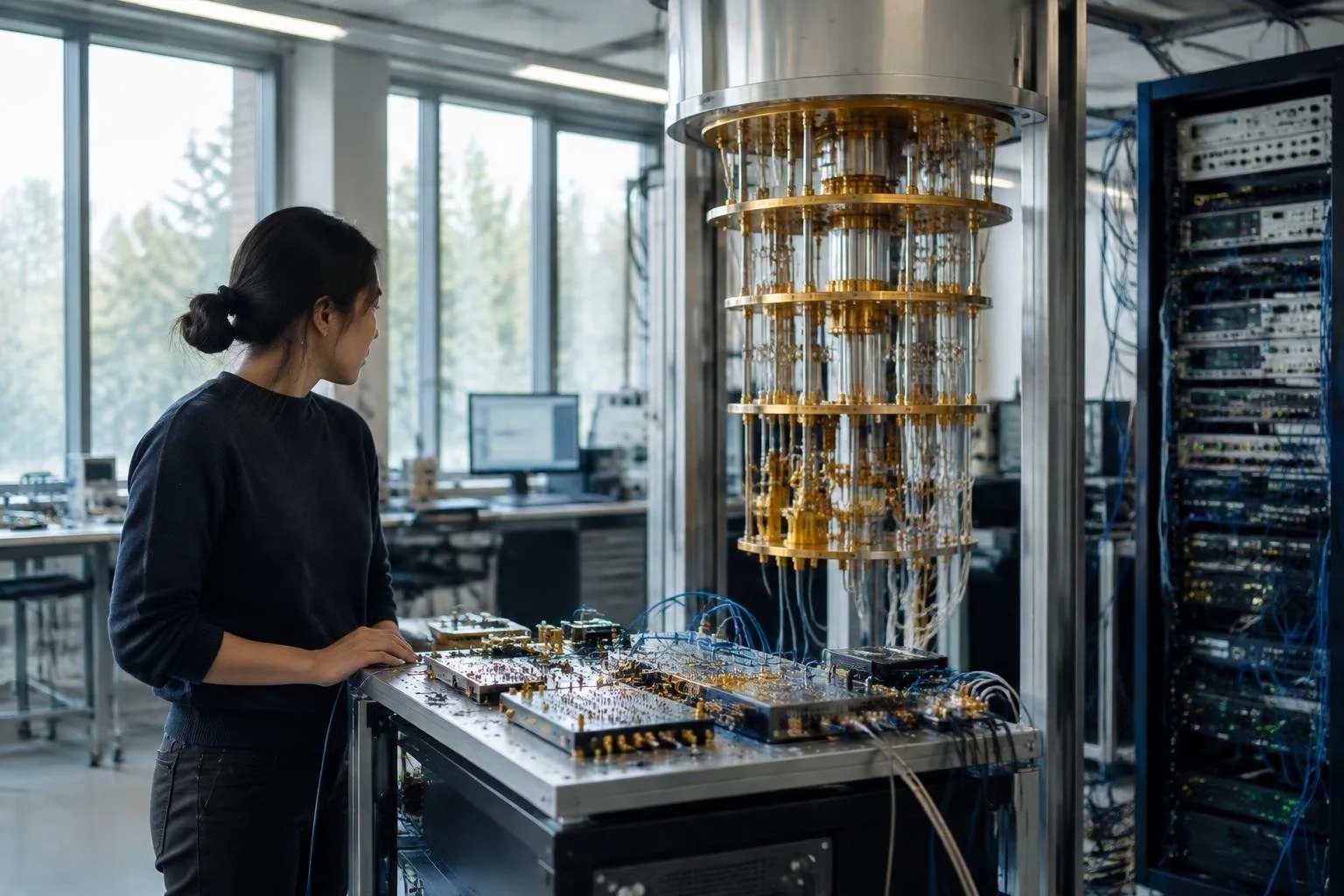
The venture is positioned as both a semiconductor foundry and an artificial intelligence compute hub. While SoftBank will supply the bulk of the capital and AI expertise, Grab contributes its regional software know-how and PETROS provides local energy infrastructure. The combined effort targets the production of next-generation chips for AI-driven applications such as humanoid robots, autonomous tractors, and other smart equipment, while also delivering up to five gigawatts of AI-focused compute power.
Investment structure and ownership
The financial blueprint divides the US$1 billion seed capital into three clear parts. SoftBank commits US$800 million, securing an 80 % equity stake in the new entity. PETROS and Grab each invest US$100 million, earning a 10 % share apiece. Funds will be released in stages, each tranche tied to the achievement of predefined milestones and the receipt of required regulatory clearances. The partnership emphasises a balanced risk-return model where the Japanese conglomerate leads technology development, Grab pilots software integration, and PETROS guarantees a stable, low-carbon energy supply for the power-intensive operations.
Technical blueprint: chips and compute
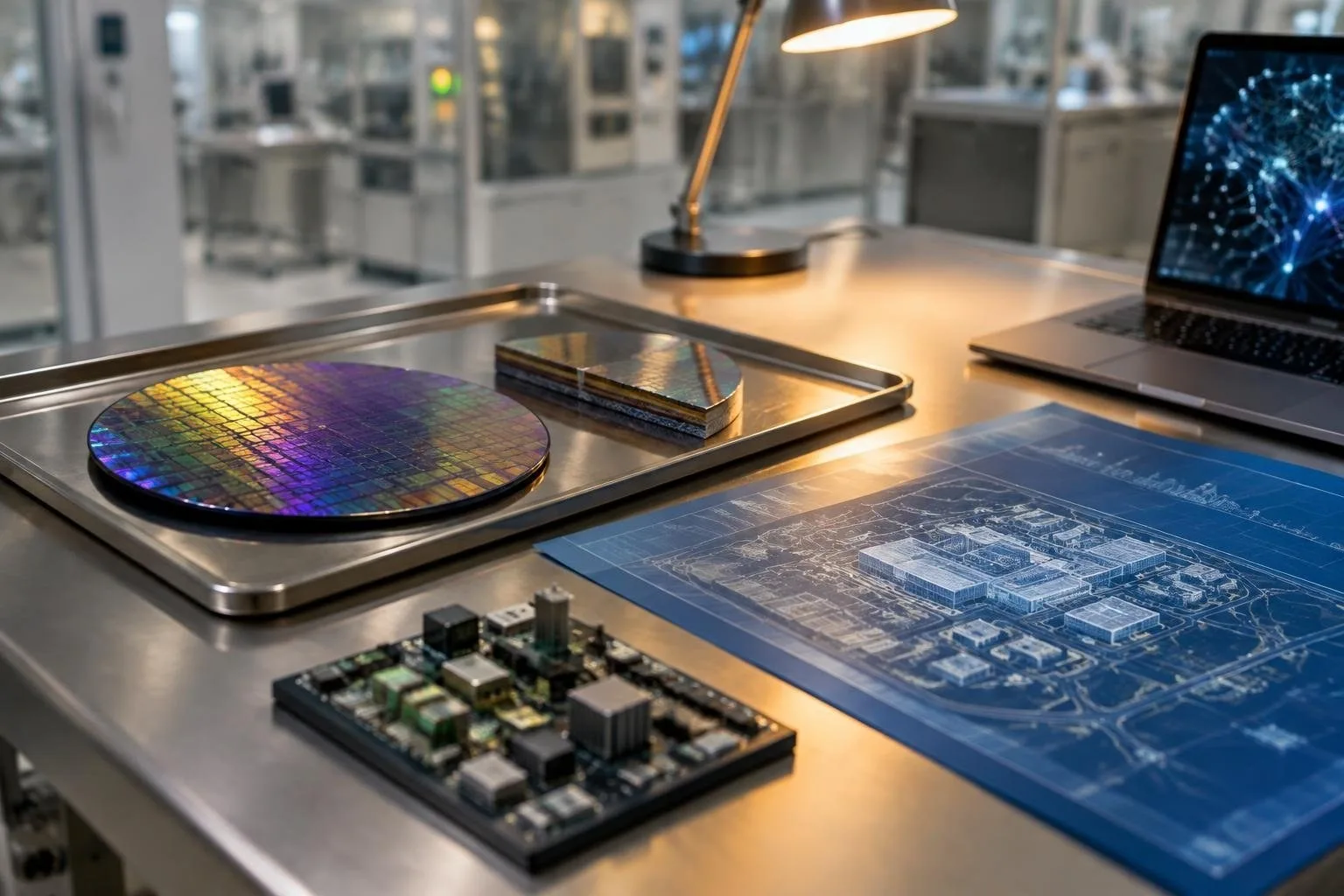
The Samajaya site will host a semiconductor foundry that manufactures advanced, sub-10-nanometer chips designed for AI workloads. These chips will feed into the AI compute infrastructure, which aims to deliver up to five gigawatts of processing capacity: a figure comparable to a mid-size data-centre cluster but optimised for machine-learning tasks. AI compute capacity refers to the total electrical power devoted to running GPUs, TPUs and other accelerators that train and infer complex models. SoftBank brings its global AI architecture portfolio, while Grab supplies the regional software stack that will run on the hardware. PETROS’s role is to harness Sarawak’s hydro-electric potential, ensuring the facility runs on clean energy while keeping electricity costs low.
Unlike the data-centre projects emerging in Johor, this initiative focuses on the creation of physical silicon rather than mere storage or cloud services. The clean-energy-driven approach also means the plant’s power draw will be spread across existing renewable assets, avoiding the need for massive new fossil-fuel-based plants. Construction activity has already begun, with Japanese component maker Taiyo Yuden installing early-stage fab equipment. Operational launch is slated for 2028, giving the partners ample time to fine-tune the fab line and secure initial chip customers.
Strategic implications for Sarawak and the region
When completed, the complex is expected to position Sarawak as a pivot point for AI and semiconductor manufacturing in Asia. The project aligns with Malaysia’s National AI Action Plan, which calls for domestic high-performance compute resources to serve both public agencies and private enterprises. By keeping AI workloads within the country, regional platforms, from e-commerce to logistics, can reduce latency, cut reliance on overseas cloud providers, and benefit from cheaper, uninterrupted power.
The infusion of high-tech jobs also addresses PETROS’s broader economic diversification agenda, moving the state away from an oil-centric revenue model toward a knowledge-based economy. Local universities and technical colleges are slated to receive training programmes, ensuring a pipeline of skilled engineers and technicians. According to Grab’s CEO Dato’ Anthony Tan, the venture will create “high-value jobs and opportunities for Sarawakians,” while SoftBank’s Masayoshi Son highlighted the plan as a “lasting opportunity to drive technology-driven economic activity across Malaysia and the wider region.”
Overall, the collaboration blends capital, expertise, and energy assets to build a platform that could serve multinational manufacturers, AI-driven startups, and government agencies alike. If the milestones are met, Sarawak may host one of the largest AI-focused compute facilities in Asia, offering a compelling alternative to traditional data-center hubs and positioning Malaysia as a competitive player in the global semiconductor supply chain.