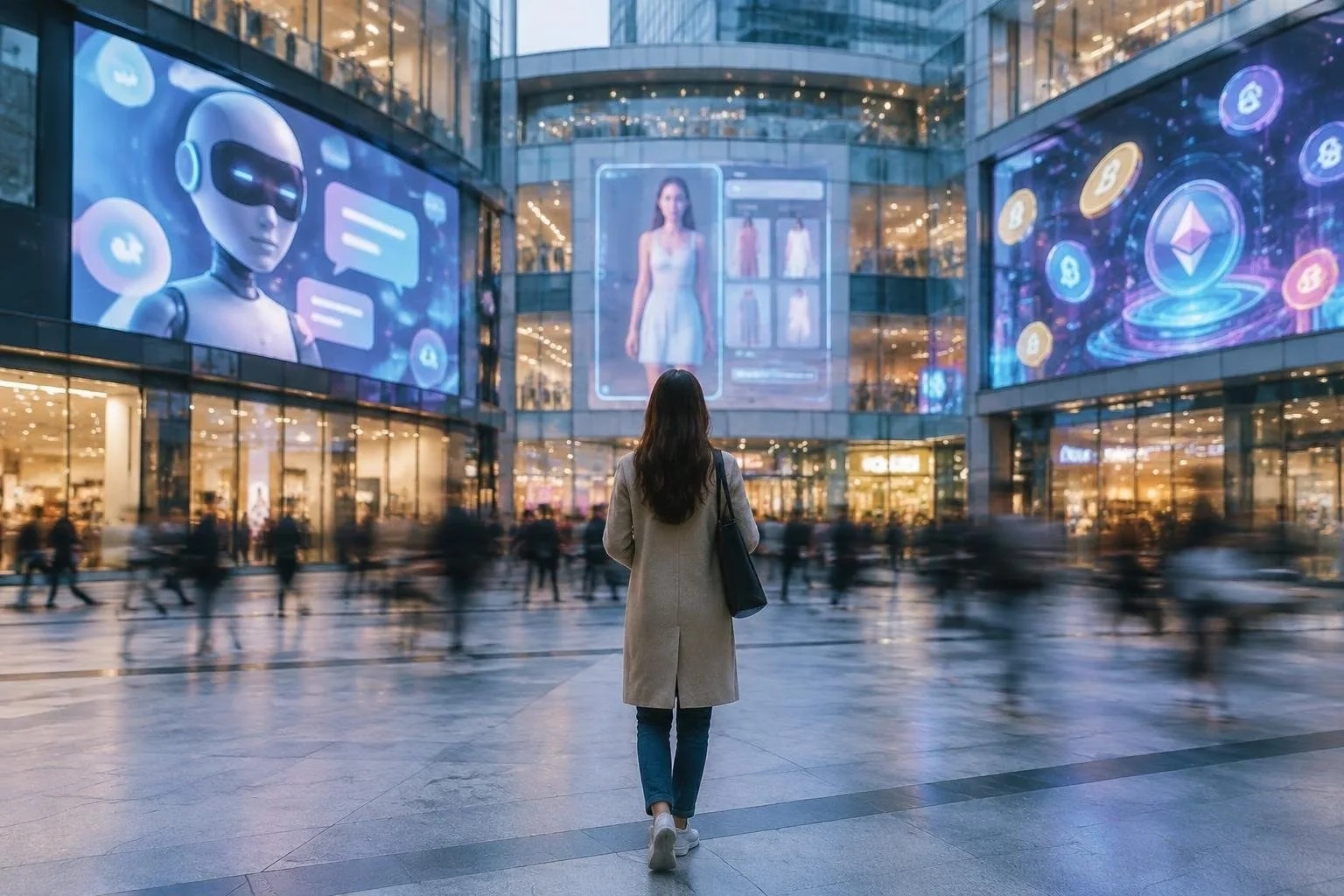
During the past twelve months, the biggest names in tech have rolled out a suite of artificial-intelligence features aimed at automating the purchase process. Google unveiled an AI-powered shopping cart that suggests items as users browse, while Meta’s Muse can scan product catalogs, assemble a list, and await user approval. OpenAI introduced the ChatGPT Wallet, enabling eligible accounts to authorize payments through a conversational agent. Even Adobe projects a 130% surge in traffic from AI tools to U.S. retail sites this holiday season, signaling industry confidence that shoppers will soon hand over their wish lists to machines.
Survey reveals a stark disconnect between tech optimism and shopper sentiment
A recent Bank of America poll indicates that 72% of Americans do not intend to employ AI tools for holiday purchasing, a jump of 23 points from the previous year’s 49% figure. The data underscores a widening gap between corporate ambitions and consumer comfort. When asked why they would avoid AI, respondents cited personal or ethical concerns (42%), a fear that automation erodes the personal nature of gifting (37%), and a lack of trust in algorithmic recommendations (26%). The same survey showed that 87% expect to keep holiday spending the same or lower than before, and 63% said they will base purchases strictly on their own budgets rather than peer influence.
Psychological factors shaping the resistance
Researchers highlight the concept of psychological ownership, the feeling that one has a personal stake in a decision, as a key driver of the reluctance. When shoppers browse stores, compare options, and hand-pick a present, they experience a sense of giving a part of themselves to the recipient. Psychological ownership can diminish when an algorithm takes over the selection, leaving the consumer to feel that the AI, not they, own the process. Academic voices note that similar discomfort appears when people use AI to draft heartfelt messages; the words no longer feel wholly theirs, and that sentiment transfers to gift selection.
Limited but growing roles for AI in the holiday cycle
Despite the overall aversion, the Bank of America findings show that a minority of shoppers are comfortable assigning AI to less intimate tasks. Seventeen percent intend to use AI for price comparisons or deal hunting, 14% for brainstorming gift ideas, and 7% for drafting cards or messages. These functions align with tasks that can save time and money without stripping away the personal touch of the final purchase decision. Experts suggest that consumers could first generate their own ideas, then turn to AI to narrow choices, preserving a sense of ownership while benefiting from efficiency.
What the future may hold for AI-driven retail
The divergence between corporate rollout plans and shopper preferences creates a delicate moment for the tech sector. Companies that bet on AI handling the entire checkout experience may need to recalibrate toward supporting ancillary activities (such as coupon discovery, inventory checks, or household-goods ordering) where users already expect automation. As holiday budgets tighten and consumer fatigue with AI grows, the most viable path may involve positioning artificial intelligence as a time-saving assistant rather than a substitute for personal judgment.
In practice, shoppers who value the sentimental aspect of gifting can keep the creative spark alive by selecting a shortlist themselves before feeding those options into an AI-enhanced filter. This hybrid approach respects the emotional weight of the occasion while still leveraging technology to streamline logistics. If retailers and platform builders acknowledge the nuanced balance between efficiency and personal connection, AI tools could find a lasting foothold in the holiday marketplace without alienating the very customers they aim to serve.