
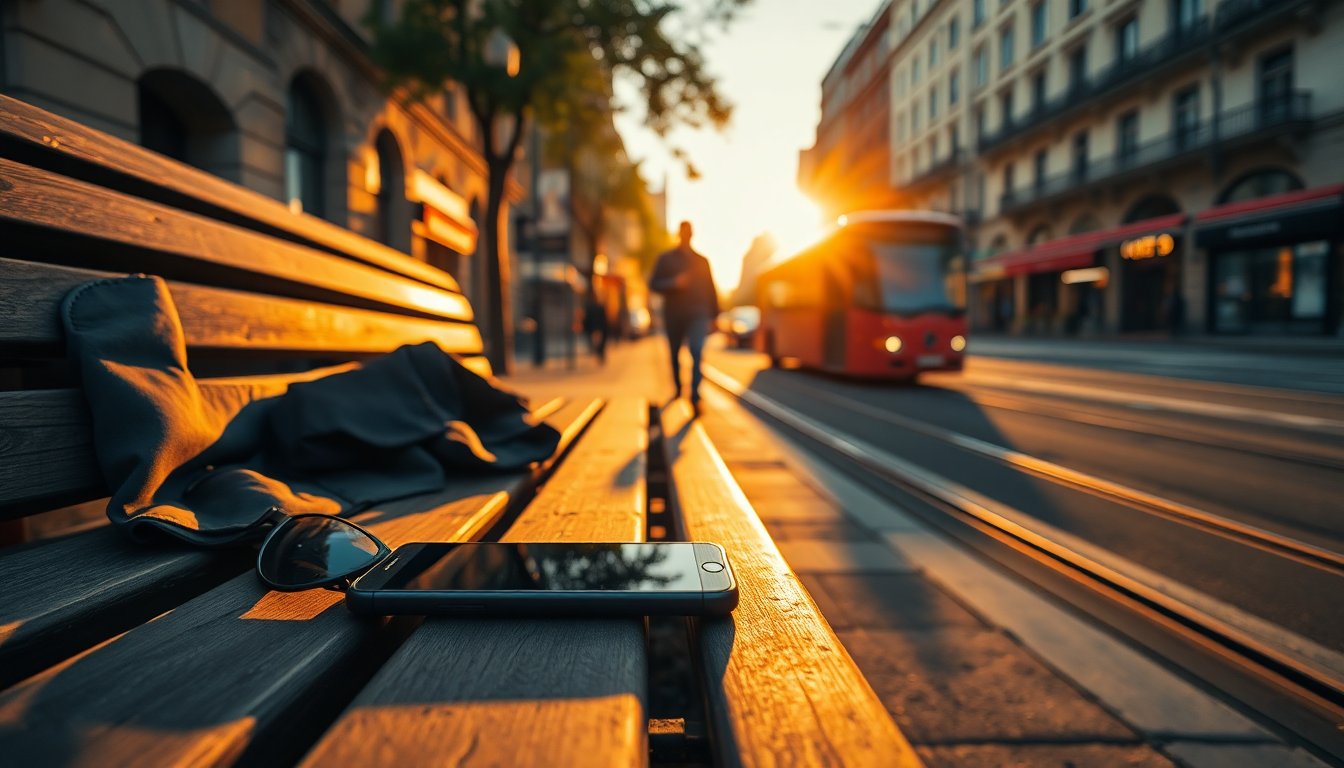
The compact, always-on nature of a smartphone makes it an ideal tool for street photography. Because you normally carry one, it is less intrusive than larger cameras and lets you react quickly to unexpected scenes. Recent advances in camera sensors, computational processing and lens design mean many phones now produce images that rival small dedicated cameras for everyday urban work, especially when you use the right lens and settings.
Picking the right phone is a mix of personal taste and technical priorities: some shooters value low-light performance, others prioritise zoom reach or colour rendering. This guide consolidates our review team’s findings to spotlight models that deliver the most practical value for candid and documentary-style city shooting. Below we outline clear reasons to use a phone for street work, recommend specific models, and explain which features you should prioritise when buying.
Why a smartphone makes sense for street photography
For many photographers, the advantages of a camera phone are about agility and discretion. A smaller rig draws less attention and allows for more natural interactions between subjects and environment, which is crucial in candid shooting. Modern phones also pack features like optical image stabilisation, large-pixel sensors and advanced noise reduction, so you can push ISO in dim alleyways and still keep usable detail. Finally, built-in editing tools and instant sharing make it simpler to refine and publish images from the street without moving files between devices.
Top phones we recommend
Our short list focuses on models that combine strong hardware with reliable processing. The phones we highlight are the iPhone 17 Pro, Samsung Galaxy S26 Ultra, Xiaomi 17 Ultra, Google Pixel 10 Pro, OPPO Find X9 Pro and Honor Magic 8 Pro. Each brings a different balance of sensor size, zoom capability and colour tuning, so your preferred shooting style should guide the choice. Below we group these picks into flagship performers and value or speciality options to make comparisons easier.
Flagship options: resolution, sensor size and computational polish
The iPhone 17 Pro offers a three-sensor array, including a 48MP main wide with an effective 24mm view and a 48MP ultrawide, plus a 12MP 5x telephoto reaching roughly 120mm equivalent. Apple also includes hardware shortcuts such as the Action Button and Camera Control, and software features like Photographic Styles for instant colour profiles. The Samsung Galaxy S26 Ultra centres on a 200MP main sensor and a four-lens arrangement, including two dedicated telephotos (a 3x and a 5x). Samsung pairs this with an AI ProVisual engine for enhanced night and HDR processing. Google’s Pixel 10 Pro is notable for consistently accurate exposures and excellent low-light handling, with a 50MP main sensor and a 48MP 5x telephoto that supports high-magnification modes. The Xiaomi 17 Ultra stands out for its large 1-inch type sensor on the main camera, which delivers superior dynamic range and low-light detail compared with many rivals.
Value and specialty picks: colour science and zoom for street work
The OPPO Find X9 Pro provides balanced results across its lenses and benefits from a renewed Hasselblad collaboration that produces pleasing, consistent colour. Its system handles low-light scenes well, preserving detail while preventing light bloom. The Honor Magic 8 Pro focuses on telephoto performance and night shooting, delivering clean images with reduced noise in evening conditions. A practical note: some models like the Xiaomi 17 Ultra and certain OPPO releases are difficult to source in some markets, so check local availability before deciding.
How to choose and practical tips for shooting
When deciding, prioritise a few essentials: a large main sensor for low-light fidelity, optical stabilisation for handheld sharpness, and a telephoto lens if you want distance shots without stepping into a scene. In practice, favour the main lens for most street compositions and use ultrawide for environmental storytelling; reserve telephoto for subjects you must observe from afar. Take advantage of built-in processing like night modes or blended portrait-night options for after-dark work, and explore manufacturer colour presets to find a look that matches your taste. Finally, stay aware of local rules and etiquette: being respectful and street smart keeps shoots legal and ethical.
If you prefer a dedicated camera, consult our separate guide to compact and mirrorless options, but for everyday urban photography a modern phone already provides powerful tools. Test a shortlisted device in real-world conditions if possible, and read full reviews to understand how each model behaves across lighting situations. With the right phone and a few practical habits, you can build a lightweight kit capable of producing compelling street imagery.


